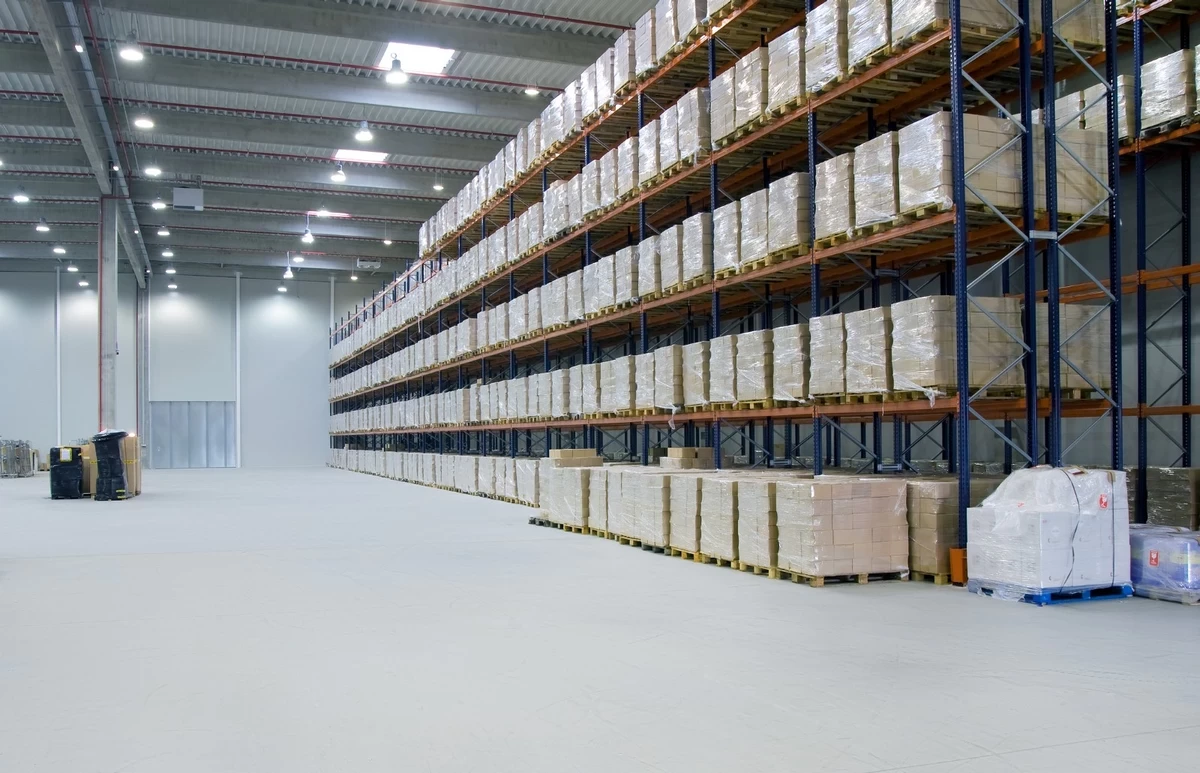
Cold storage is the hardest industrial space to find in Metro Vancouver. The region's overall industrial vacancy already sits in the 1 to 3 percent range, and the refrigerated and temperature-controlled segment is tighter still: purpose-built facilities are few, almost all of them are spoken for, and new supply arrives slowly because cold storage is among the most expensive industrial product to build. For food producers, grocery distributors, seafood processors, and pharmaceutical companies, securing cold-chain capacity in Greater Vancouver is a strategic problem, not a simple leasing exercise.
This guide covers what cold storage space costs in the region, why availability is so constrained, and the practical options (leasing, buying, converting, or outsourcing to a 3PL) for occupiers who need it.
Why Cold Storage Is the Tightest Segment in the Market
Demand for cold-chain capacity in Metro Vancouver has grown steadily, driven by grocery e-commerce, food-chain consolidation, and the region's role as Western Canada's import gateway for perishables. Supply has not kept pace. Cold storage buildings cost multiples of a conventional warehouse to construct, require heavy power service that not every site can deliver, and are typically built for a committed user rather than on spec. The result is a segment where tenants renew rather than move, buildings almost never sit vacant, and newer purpose-built facilities command meaningful premiums over the broader market.
What Cold Storage Space Costs
In Richmond, the region's cold storage hub, purpose-built refrigerated space leases in the range of $28 to $40+ per square foot net, roughly double the rate for modern dry distribution space in the same submarket. Older or partially refrigerated buildings trade below that band, while modern, food-grade, multi-temperature facilities set the top of it.
Rent is only part of the occupancy cost. Refrigeration is energy-intensive, so hydro costs run far above conventional warehouse operating budgets, and tenants should scrutinize how utilities are metered and recovered. Maintenance obligations on refrigeration plant are a major lease negotiation point: who owns, maintains, and eventually replaces the compressors, evaporators, and control systems materially changes the economics of a lease.
The Cost Drivers Behind the Premium
Cold storage pricing reflects real construction economics. Insulated panel systems, vapour barriers, specialized slab construction with under-floor heating or ventilation to prevent frost heave, refrigeration plant, backup power, and food-grade finishes all add substantial cost per square foot over a conventional shell. Freezer space costs more than cooler space, and multi-temperature facilities with certified food-safe handling areas sit at the top of the cost curve. When occupiers ask why refrigerated rents look expensive, the honest answer is that replacement cost justifies them.
Buying Cold Storage: Why For-Sale Product Rarely Trades
Purpose-built cold storage facilities almost never reach the open market in Greater Vancouver. Owners of functioning refrigerated buildings hold them precisely because replacement is so difficult, and when facilities do trade, they frequently sell off-market to users or investors who registered interest long in advance. Buyers serious about acquiring refrigerated or food-grade property should have their requirement circulating with brokers active in the cold storage sector well before they need the building, and should be prepared to evaluate conversion candidates alongside purpose-built product.
Converting a Dry Warehouse to Cold Storage
With so little purpose-built product available, some occupiers convert conventional warehouse space instead. Conversion is feasible but expensive: insulation, refrigeration plant, slab protection, and electrical upgrades routinely amount to a capital program comparable to the value of the underlying improvements, and not every building is a viable candidate. Power availability is the first screen (refrigeration loads require electrical service many older buildings simply do not have), followed by clear height, slab condition, and municipal permitting. Occupiers considering conversion on leased premises also need landlord consent and a lease long enough to amortize the investment, which usually means ten years or more.
Where the Facilities Are
Richmond holds the region's largest concentration of cold storage, anchored by proximity to the airport, the port, and the food distribution ecosystem. Delta and Annacis Island host significant cold-chain and food-processing facilities, and Surrey is where most new food-grade construction is landing, given its remaining developable land. Occupiers in the food and beverage sector typically weigh Richmond's location advantages against the newer buildings and better availability further out.
Lease, Buy, or Use a 3PL?
For many businesses, the right answer is not real estate at all. Temperature-controlled 3PL providers in Richmond, Delta, and Surrey offer palletized cold storage without capital investment, and for companies below a certain throughput, outsourcing is cheaper than leasing and staffing a dedicated facility. The crossover point comes when 3PL invoices approach the fully loaded cost of dedicated space, or when handling requirements demand control a 3PL cannot provide. Working through that analysis honestly, before committing to a lease or purchase, is one of the most valuable exercises a cold-chain occupier can do.
Next Steps
If your business needs refrigerated or food-grade space in Metro Vancouver, start with the cold storage sector overview, and review the current industrial listings. Requirements in this segment are almost always filled through direct market canvassing rather than public listings, so if you have a timeline, reach out and I will map the realistic options (existing facilities, conversion candidates, and 3PL alternatives) against your specification.