Property Type
Manufacturing.
Power-served and crane-capable manufacturing facilities in Metro Vancouver.
Got a manufacturing question? Talk to Samuel directly. No gatekeepers, no forms required.
Overview
Manufacturing overview
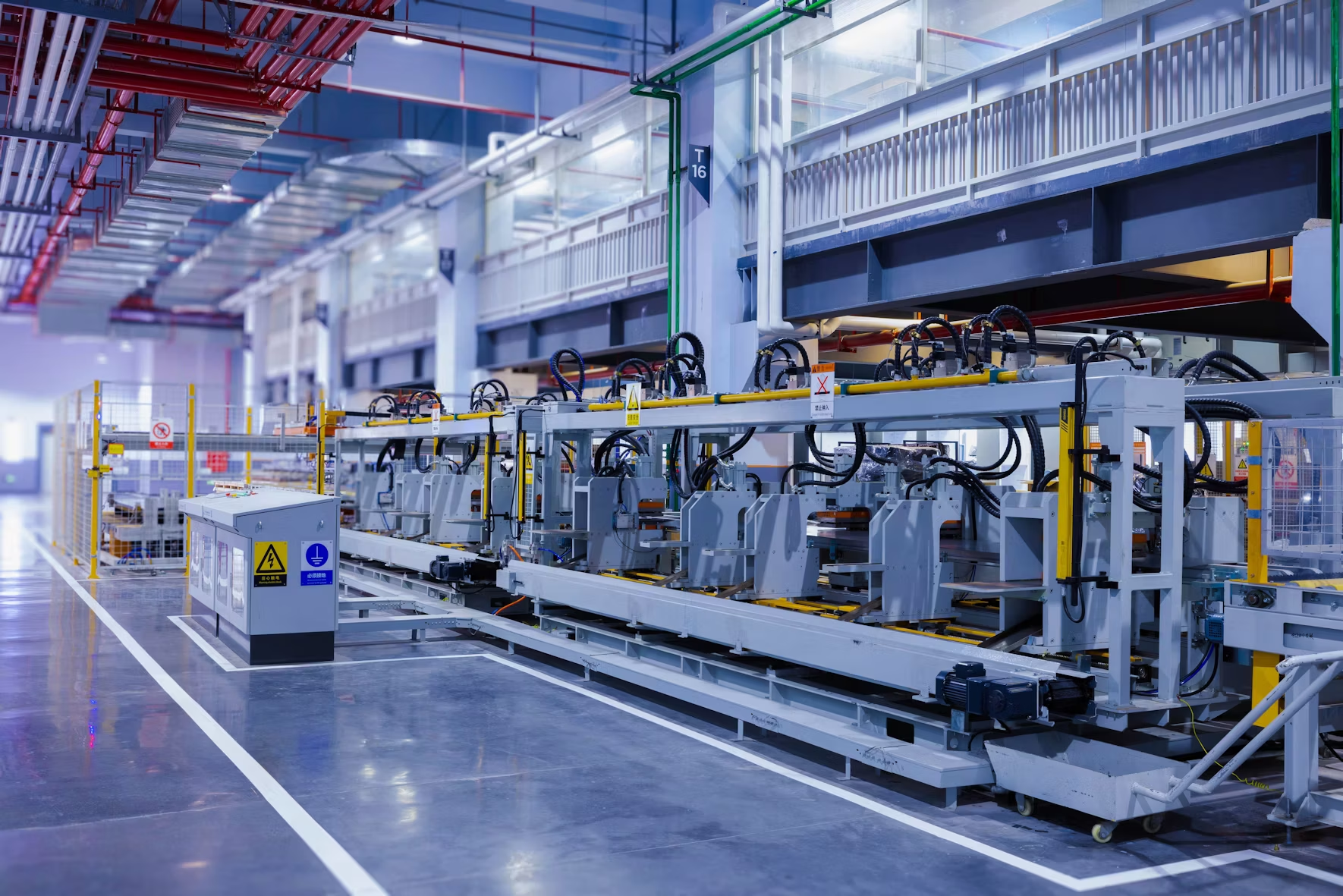
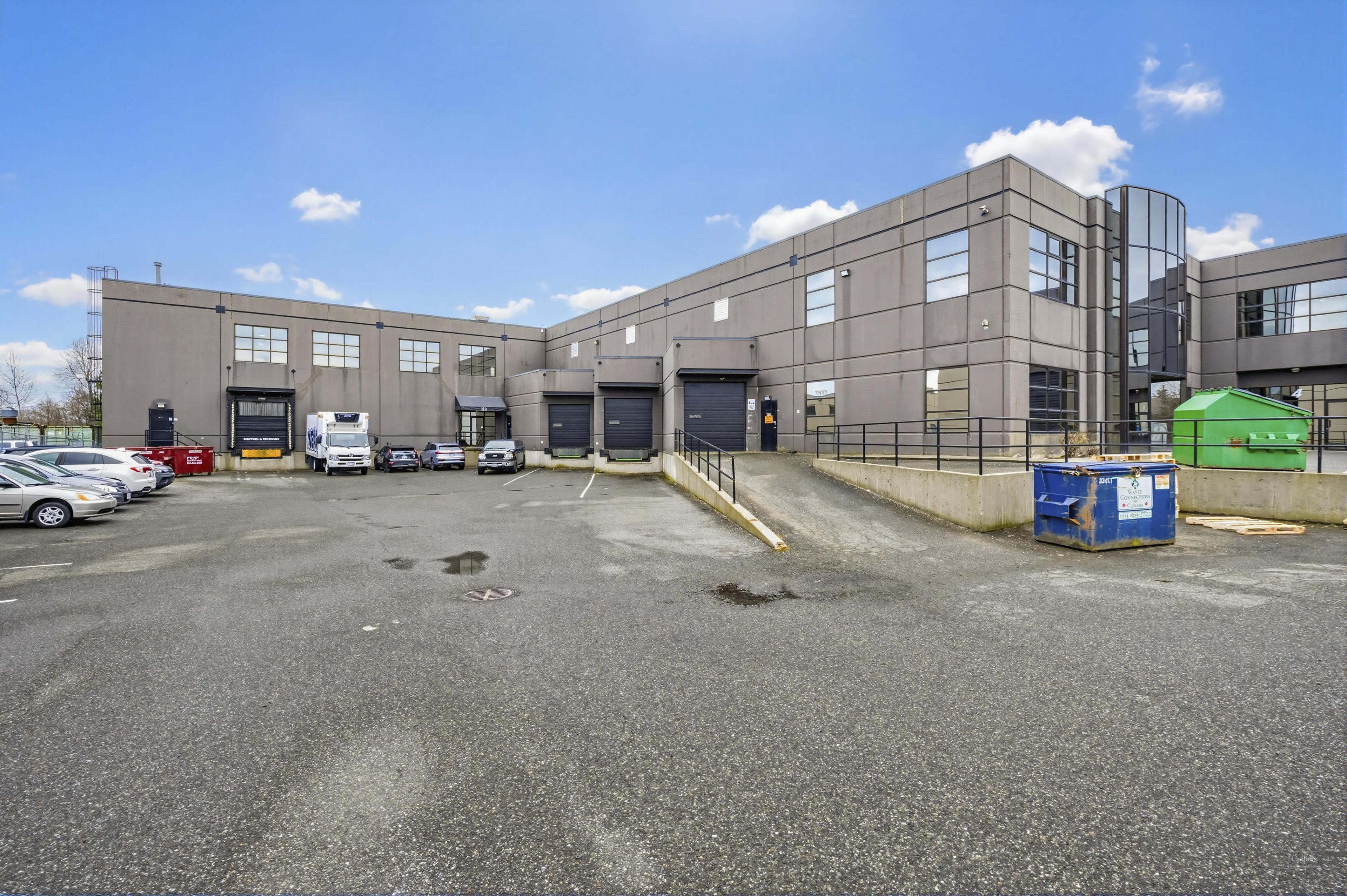
Manufacturing facilities sit on a different operational and economic axis than general warehouse and distribution product. Tenants need specific power capacity (often 600A to 4000A), process infrastructure (compressed air, water, drainage, ventilation), structural capacity for overhead cranes, and floor loading that supports heavy equipment. The buildings trade with longer lease terms, higher tenant improvement requirements, and a smaller buyer pool - but offer institutional-grade defensibility for operators with stable production profiles.
Building Specifications
Typical specifications for Manufacturing
- Power Service
- 600A – 4000A typical; heavy mfg higher
- Crane Capacity
- 5T – 50T overhead crane common in legacy
- Clear Height
- 20 – 35 ft, varies by process
- Floor Loading
- 150 – 500+ PSF, process-dependent
- Ventilation
- Often process-specific HVAC requirements
- Yard / Access
- Frequently large yard, heavy truck circulation
Typical Users
Who occupies this asset class.
- Food and beverage producers
- Metal fabrication and machining
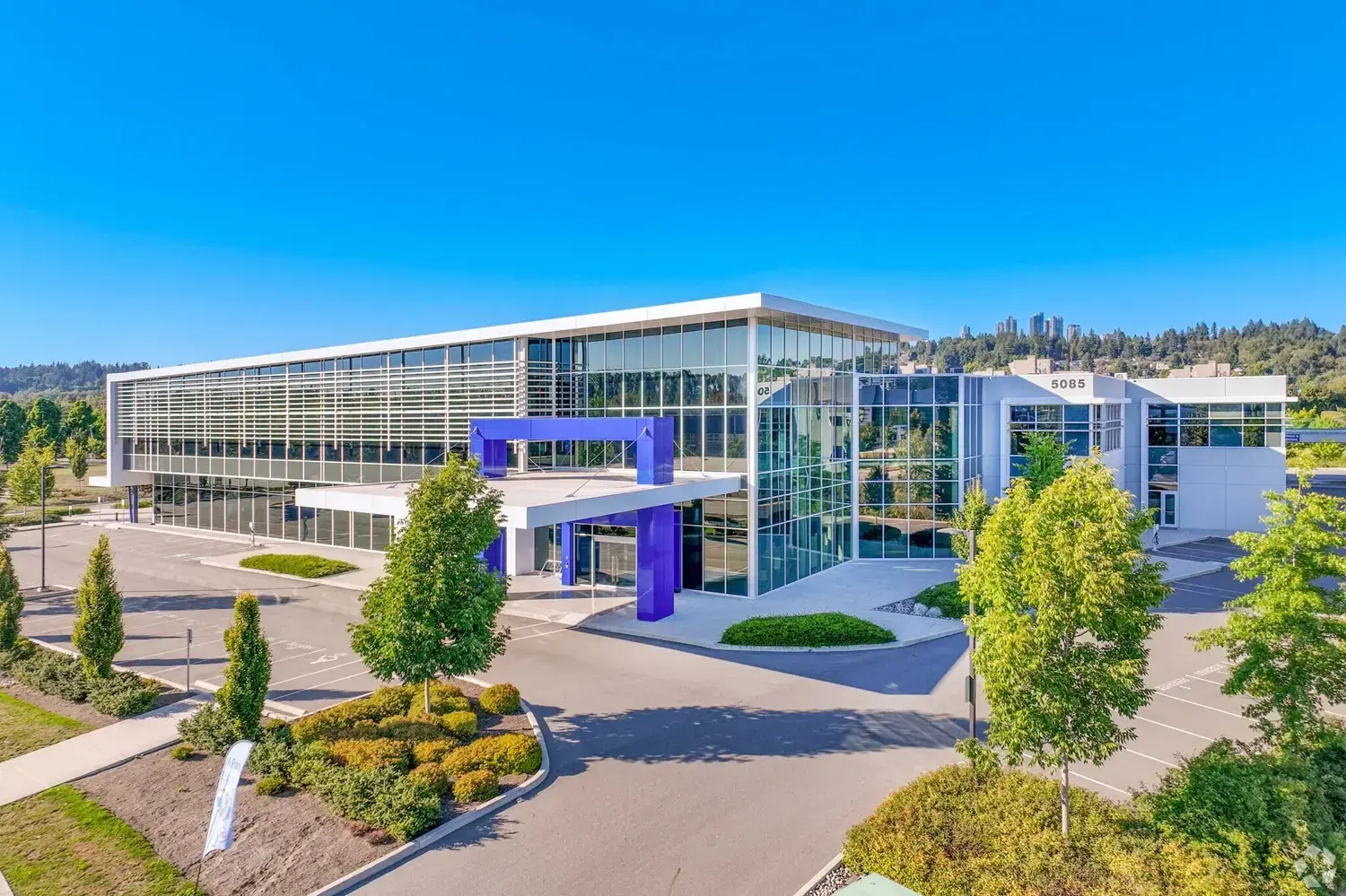
- Biopharmaceutical and life sciences
- Specialty electronics and advanced materials
- Construction materials and prefabrication
- Wood and millwork manufacturers
Lease Economics
How the asset trades.
Manufacturing facility leases typically trade in line with warehouse rents for the base building, with meaningful capex allocated to process infrastructure. Lease terms run 7 to 15 years to amortize landlord and tenant capital investment. Triple-net structure is standard. Specialty assets (food-grade, crane-served, heavy power) command premiums and trade infrequently.
Recent Trends
What’s shaping demand.
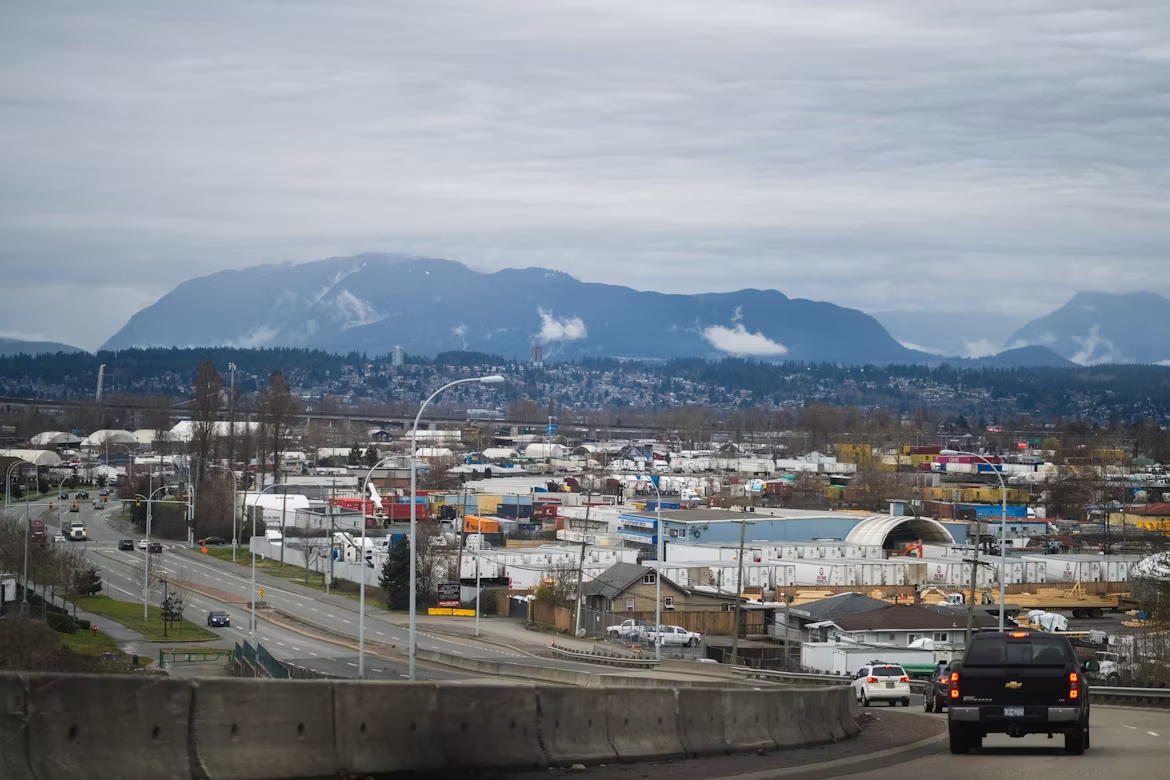
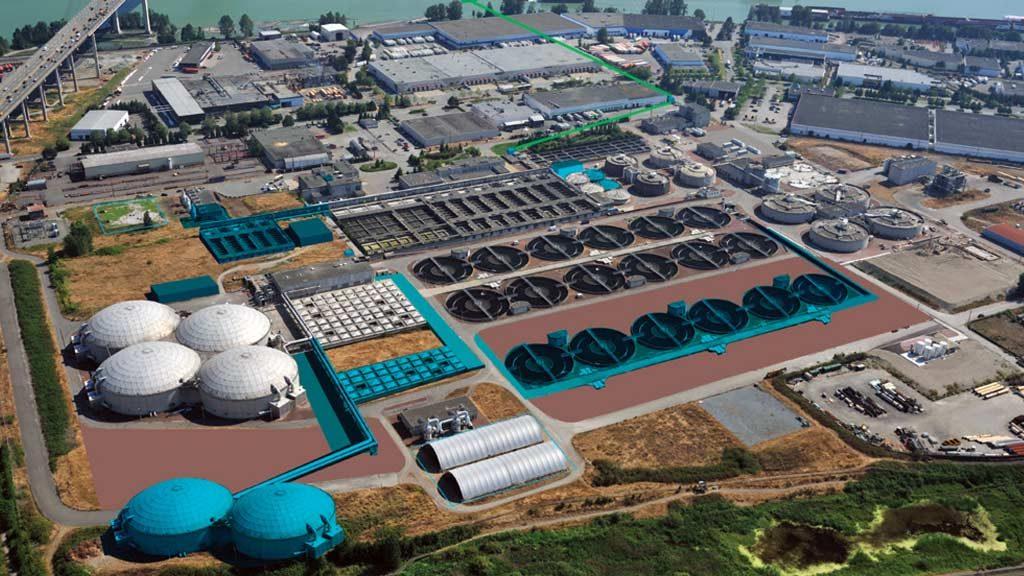
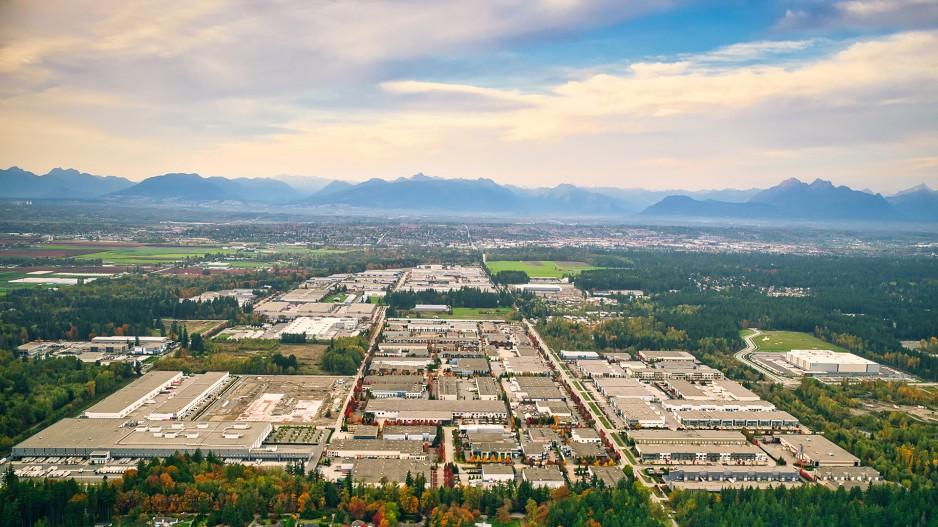
Advanced manufacturing and biopharmaceutical demand has supported Burnaby's manufacturing core. Food processing has remained strong in Richmond and Abbotsford. Heavy industrial manufacturing concentrates in Delta and Annacis Island where inventory turns infrequently. New construction of true manufacturing product is limited; most absorption happens through tenant succession and asset conversion.
Why Me
Why work with me on Manufacturing
Manufacturing real estate is operationally specific. Site selection means modelling power capacity, floor loading, crane capacity, process infrastructure, and labour catchment alongside the standard real estate criteria. I focus exclusively on industrial sales and leasing and work through those requirements with manufacturers looking at Burnaby, Delta, Port Coquitlam, and the Fraser Valley. I track availability and recent comparables for power-served and crane-capable buildings, which turn infrequently and often trade off-market.
Frequently Asked Questions
Manufacturing, answered.
How do I evaluate power capacity for a manufacturing site?
Power evaluation should start with your peak load profile - running and starting loads for major equipment. Compare against available service to the site (often 400 to 1000A in legacy buildings, higher in specialty). BC Hydro service upgrades carry meaningful capex and timeline (often 6 to 18 months). Tenants should validate available power before signing rather than after.
Can I install an overhead crane in any warehouse?
Crane installation requires structural capacity in the building's columns and roof system. Most general distribution warehouses are not engineered for crane loads. Adding crane capacity to a non-engineered building typically requires reinforcement work and engineering certification. Buildings designed for crane use are clearly distinguishable on inspection.
What's the lease term expectation for a manufacturing facility?
Manufacturing leases typically run 7 to 15 years to amortize the meaningful capital investment in process infrastructure. Tenants making material investments in TI should negotiate longer terms with renewal options. Landlords offering capital contribution to TI typically require longer terms in exchange.
Where does manufacturing concentrate in Metro Vancouver?
Burnaby (Big Bend, Lake City) anchors the historic manufacturing core. Delta and Annacis Island concentrate heavy industrial manufacturing. Surrey hosts modern light manufacturing in Campbell Heights and Newton. Richmond hosts food processing and specialty manufacturing. Abbotsford concentrates food processing and aviation-adjacent industrial.