
Property Type
Science & Research Facilities.
Lab-grade industrial space for science and research occupiers.
Got a science & research facilities question? Talk to Samuel directly. No gatekeepers, no forms required.
Overview
Science & Research Facilities overview
Science and research facilities sit at the most specialized end of Metro Vancouver's industrial inventory. Wet labs, cleanrooms, vivariums, GMP suites, and instrumentation bays each demand specific power capacity, ventilation, drainage, vibration control, and regulatory compliance that standard warehouse and flex product cannot accommodate without significant retrofit. Lease structures, tenant improvement allowances, and exit profiles all trade differently from general industrial. Site selection requires precise translation of scientific and operational requirements into building specifications. Getting that translation wrong is expensive to fix after occupancy.
Building Specifications
Typical specifications for Science & Research Facilities
- Power Service
- 400A – 2000A typical; cleanroom higher
- Ventilation
- 100% outside air, BSC and fume hood exhaust
- Vibration Control
- Isolated slabs for SEM/TEM and precision instrumentation
- Clear Height
- 16 – 24 ft, lab-grade ceilings 9 – 12 ft
- Floor Loading
- 100 – 250 PSF, equipment-dependent
- Compliance
- CL2/CL3 containment, Health Canada GMP-ready where required
Typical Users
Who occupies this asset class.
- Biotech and biopharmaceutical R&D
- Medical device development and prototyping
- Diagnostics and clinical reference labs
- Academic spin-outs and translational research
- Cleantech and advanced materials research
- Contract research organizations (CROs)
- Cannabis genetics, extraction, and analytical labs

Lease Economics
How the asset trades.
Purpose-built lab space leases at meaningful premiums to standard industrial - with fitted lab space well above base industrial rent and operating costs materially higher because of HVAC and utility loads. Shell industrial converted to lab use trades closer to base industrial pricing (around $19 to $20 PSF net on Q2 2026 averages) but requires significant tenant capex for fit-out. Lease terms run 7 to 15 years to amortize landlord and tenant investment in specialty infrastructure. Tenant improvement allowances for full lab build-outs are large and are structured against creditworthy tenancy or institutional sponsors.
Recent Trends
What’s shaping demand.
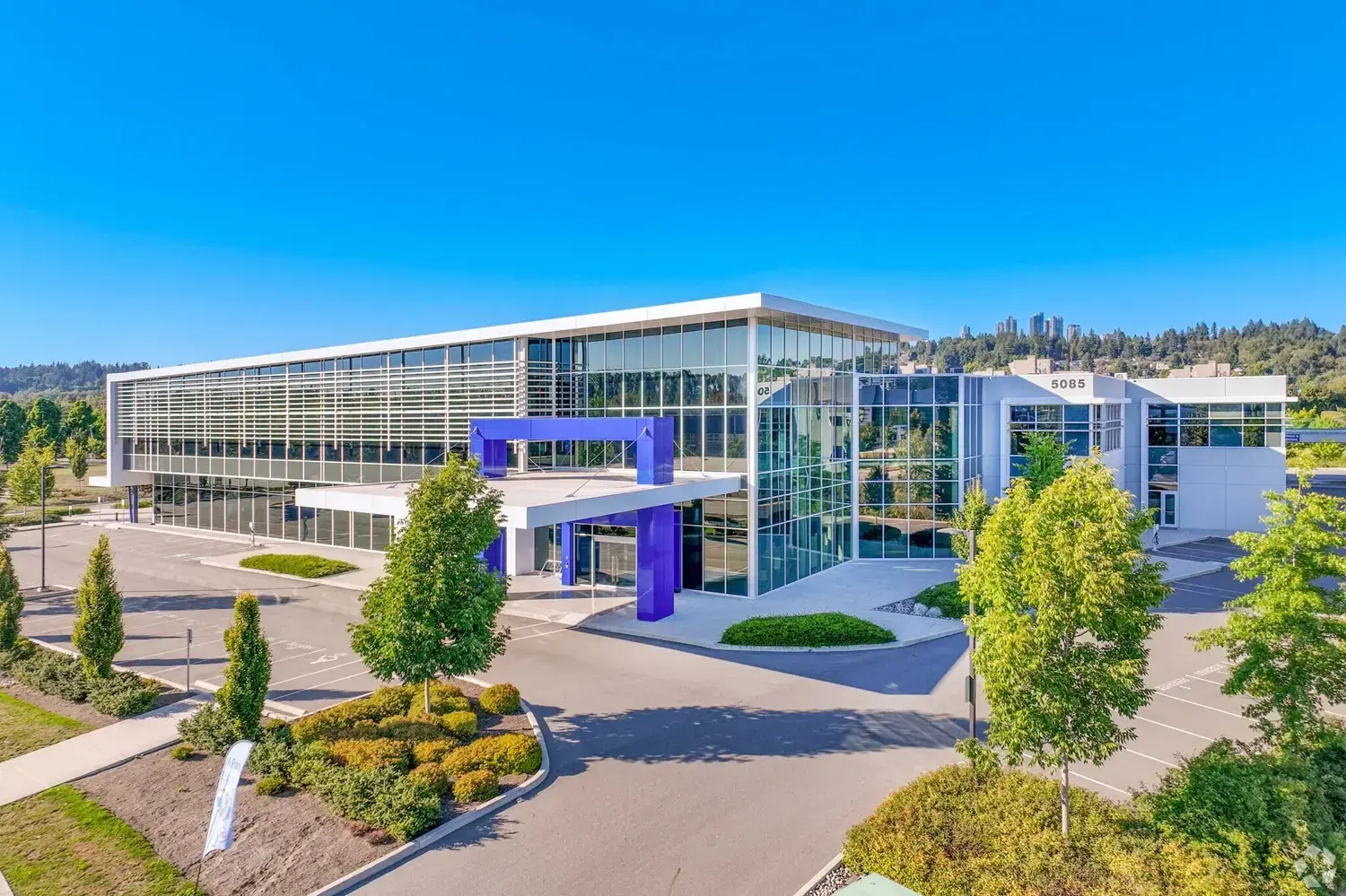
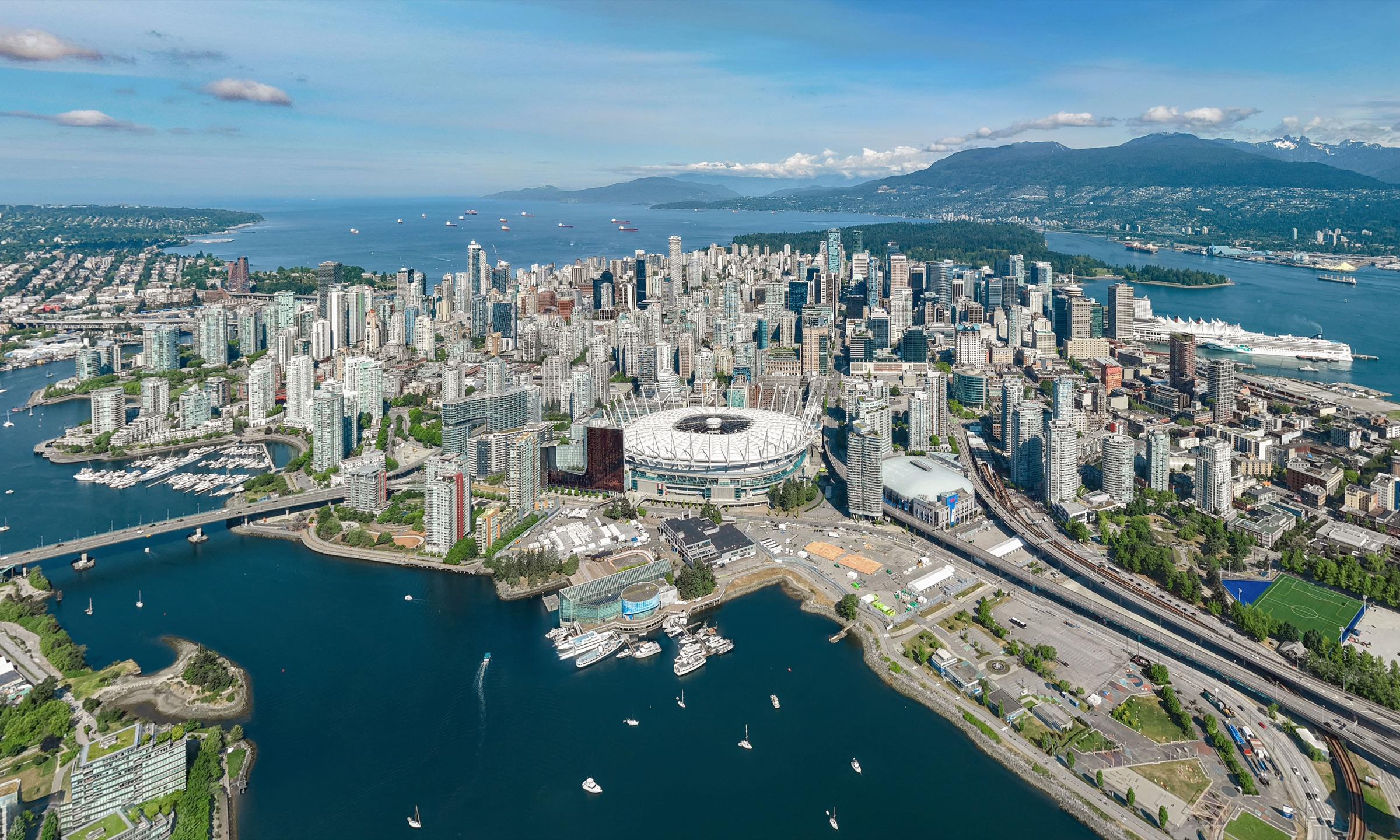
Vancouver's life sciences cluster has expanded steadily through Burnaby (Discovery Park, Big Bend), Vancouver (Mount Pleasant, False Creek Flats), and Richmond. SFU-adjacent and UBC-spinout activity has driven incubator demand. Cell and gene therapy, mRNA platforms, and medical device development have anchored new lease activity. Supply remains constrained - purpose-built lab space rarely turns over, and shell-to-lab conversions take 9 to 18 months from lease signing to occupancy.
Why Me
Why work with me on Science & Research Facilities
Science and research real estate leaves little room for error. The wrong building can mean months of permitting, unplanned retrofit, and added risk with funders and regulators. I focus exclusively on industrial sales and leasing and work with occupiers to translate their requirements, including biosafety level, instrumentation profile, regulatory pathway, and growth horizon, into building specifications that hold up through due diligence. I track lab-capable and flex inventory in Burnaby and Vancouver, where most of the region's science and research occupiers cluster, including space that is not publicly listed.
Frequently Asked Questions
Science & Research Facilities, answered.
Where does life sciences and research concentrate in Metro Vancouver?
Burnaby anchors the regional cluster - Discovery Park, Big Bend, and Still Creek host the largest concentration of biotech and biopharmaceutical tenants, supported by SFU adjacency and decades of cluster development. Vancouver-proper (Mount Pleasant, False Creek Flats, Olympic Village) hosts smaller-footprint startups, diagnostics, and translational research. Richmond hosts diagnostics and food/agritech-adjacent research. Surrey's Innovation Boulevard corridor near SFU Surrey and Fraser Health hosts medtech and digital health adjacency. Submarket fit depends on talent catchment, partner proximity, and capital structure.
Can I convert a warehouse or flex building to lab use?
Yes, but the conversion economics are significant. Lab conversion typically requires 100% outside air HVAC, dedicated exhaust for biological safety cabinets and fume hoods, upgraded power service, lab-grade plumbing and drainage with neutralization, and floor flatness or vibration isolation depending on instrumentation. Conversion budgets for full wet-lab build-outs run several times the cost of a conventional industrial office build-out. Conversion makes sense when the base building's clear height, floor loading, power proximity, and zoning align - and when the lease term supports amortization. For specialty containment (CL3, GMP), conversion is rarely cost-effective versus purpose-built.
What lease term should I expect for lab space?
Purpose-built lab leases typically run 7 to 15 years. Landlords investing meaningful capital into shell-to-lab conversion expect long-term tenancy to amortize. Tenants installing specialty equipment, fume hoods, biological safety cabinets, and validated systems benefit from longer terms to amortize their own capex. Shorter terms (5 to 7 years) are achievable for tenants taking pre-fitted lab space with minimal additional improvement.
What does CL2 or CL3 containment require in a building?
Containment level 2 (CL2) requires controlled access, BSC ventilation, autoclave or equivalent decontamination, and validated procedures - most modern lab buildings can accommodate CL2 with standard fit-out. CL3 requires negative pressure containment, dedicated exhaust with HEPA filtration, anteroom airlocks, sealed surfaces, and Health Canada / PHAC certification - purpose-built or substantial retrofit is required. Operators should identify containment requirements upfront, because they constrain both site selection and timeline materially.
How does GMP-ready space differ from research lab?
Good Manufacturing Practice (GMP) facilities - for clinical trial material, commercial biologics, cell and gene therapy production - require documented design controls, validated environmental monitoring, qualified equipment, and Health Canada compliance for regulated products. The infrastructure differs from R&D lab: classified cleanroom zones (ISO 7 / ISO 8), gowning sequence, materials and waste flow segregation, validated HVAC, and quality management system integration. GMP fit-outs cost far more again, and lease structures support 10 to 15 year amortization.
How long does it take to occupy lab space in Metro Vancouver?
Pre-fitted lab space can be occupied in 60 to 120 days from lease signing, assuming minor tenant modifications. Shell-to-lab conversion runs 9 to 18 months from lease signing through permitting, construction, commissioning, and validation - longer for specialty containment or GMP. Operators should align facility timing with funding milestones and clinical or regulatory commitments. Build-to-suit on raw inventory runs 18 to 30 months and is appropriate for tenants with strong credit, longer horizons, and very specific requirements.