Property Type
Owner-Occupier Acquisitions.
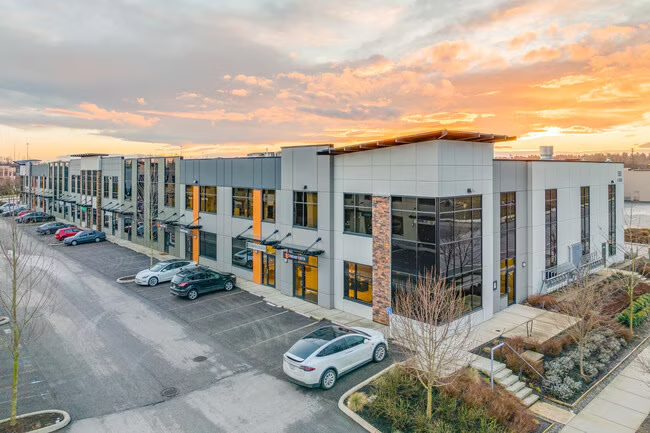
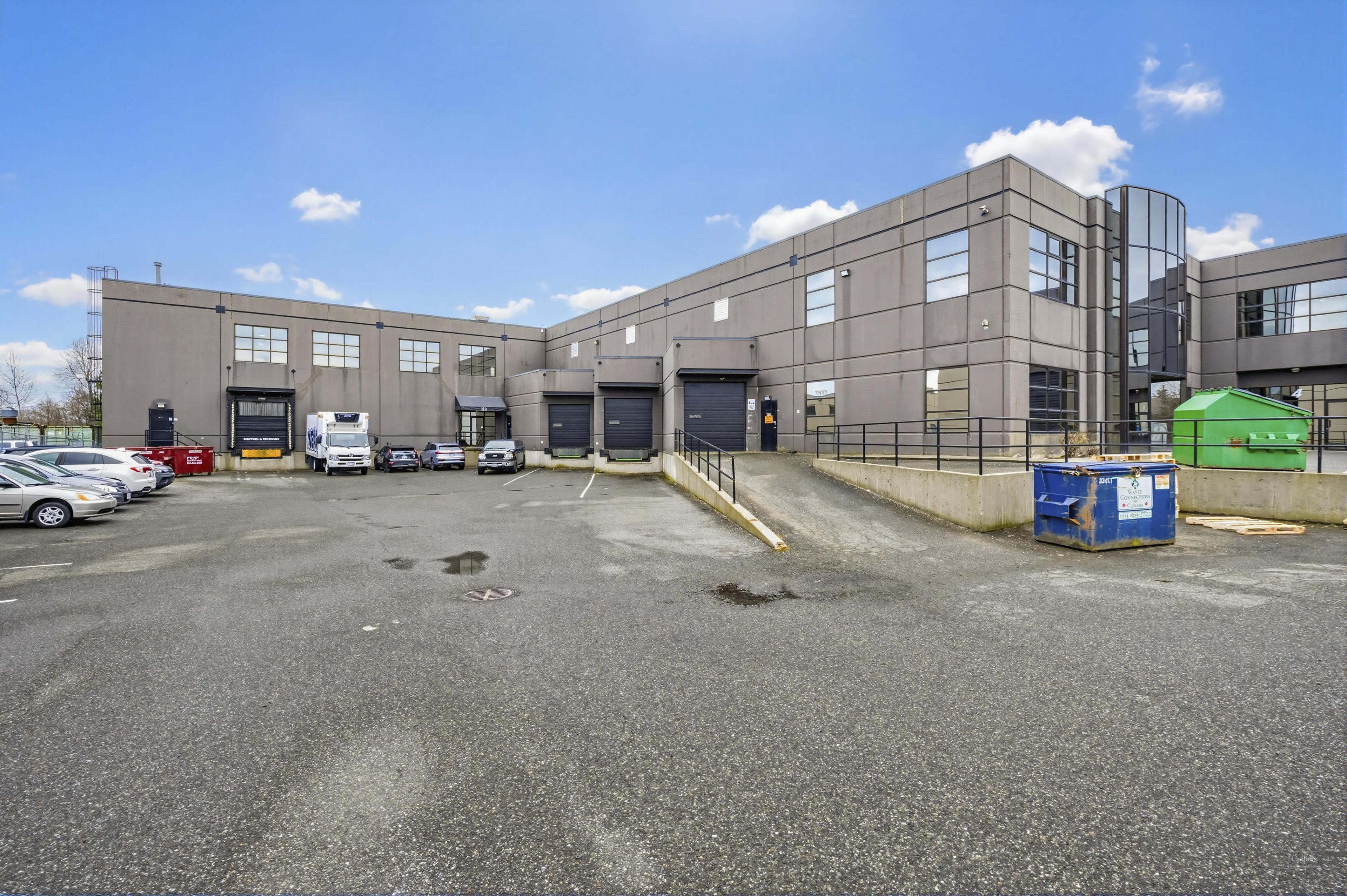
Strata and freestanding industrial buildings for owner-users.
Got a owner-occupier acquisitions question? Talk to Samuel directly. No gatekeepers, no forms required.
Overview
Owner-Occupier Acquisitions overview
Owner-occupier acquisitions of industrial real estate are a common long-term strategy for small and mid-size businesses in Metro Vancouver. The market offers strata industrial inventory across most submarkets, freestanding building acquisitions for larger users, and build-to-suit opportunities for operators with specific requirements. Acquisitions provide occupancy cost stability, participation in land appreciation, and balance sheet equity build-up over the hold period.
Building Specifications
Typical specifications for Owner-Occupier Acquisitions
- Strata Size
- Typically 2,500 – 25,000 SF
- Freestanding Size
- 10,000 – 200,000+ SF
- Strata Concentration
- Burnaby, Surrey, Langley, Port Coquitlam
- Financing
- Conventional bank mortgage or BDC financing
- Typical Down Payment
- 25 – 35% conventional
- Hold Horizon
- Best fit: 10+ years owner-occupancy
Typical Users
Who occupies this asset class.
- Small and mid-size operators with stable footprint
- Trades contractors with yard requirements
- Specialty manufacturers with process infrastructure
- Distribution operators with long-term geography
- Family-owned businesses with multi-generational horizon
- Asset-heavy operators (equipment, inventory)
Lease Economics
How the asset trades.
Owner-occupier economics are evaluated on total occupancy cost over the hold period (mortgage P&I + operating + capex), compared against equivalent lease cost over the same period. Equity build-up and land appreciation provide additional returns. Most stable operators with 10+ year occupancy horizons find ownership economics meaningfully favourable, particularly in supply-constrained Metro Vancouver submarkets.
Recent Trends
What’s shaping demand.
Strata industrial in modern Surrey, Burnaby, and Langley developments has shown consistent appreciation and remains liquid. Owner-occupier financing has remained accessible through conventional banks and BDC. Interest rate movements affect acquisition pace but underlying demand for owner occupancy remains strong, particularly among family-owned businesses and asset-heavy operators.
Why Me
Why work with me on Owner-Occupier Acquisitions
Owner-occupier acquisitions bring financing, tax structuring, succession planning, and business growth into the decision alongside the real estate. I focus exclusively on industrial sales and leasing and work with owner-user buyers to look at the full picture, identify both strata and freestanding options, and coordinate with lenders, accountants, and legal counsel through closing. I track strata and freestanding availability in Burnaby, Surrey, Langley, and Port Coquitlam, along with recent sale comparables.
Frequently Asked Questions
Owner-Occupier Acquisitions, answered.
Should my business buy or lease its industrial space?
The right answer depends on capital availability, occupancy stability, growth predictability, and tax positioning. Stable operators with 10+ year occupancy horizons typically find ownership economics meaningfully favourable - total occupancy cost is usually lower, equity build-up adds returns, and land appreciation in Metro Vancouver provides additional upside. Operators with shorter horizons or unpredictable space needs are typically better served leasing.
How do I finance an industrial building purchase in Metro Vancouver?
Owner-occupier industrial acquisitions are typically financed through conventional commercial mortgages (25 to 35% down, 5 to 7 year terms, 25 year amortizations) or BDC (Business Development Bank of Canada) programs offering lower down payment requirements for qualifying businesses. Lease-back structures and vendor financing also appear in some transactions. Engaging with financing partners early in the search shortens time-to-close meaningfully.
Is strata industrial a good long-term investment?
Modern strata industrial in established Metro Vancouver submarkets (Burnaby, Surrey, Langley, Campbell Heights) has shown consistent appreciation and strong liquidity over the past decade. The market suits owner-users with stable occupancy horizons and businesses looking to convert occupancy cost into equity build-up. Speculative strata investment without owner-occupancy is a different proposition and not what this asset class is best suited for.
How long does an owner-occupier industrial acquisition take to close?
Typical timeline runs 90 to 150 days from offer to closing, depending on financing, due diligence (environmental, structural, zoning), and any contingencies. Sophisticated buyers with pre-arranged financing can close on shorter timelines. Speculative acquisitions with broader DD requirements (large freestanding, brownfield, specialty assets) frequently take longer.