Greater Vancouver Submarket
Port Coquitlam.
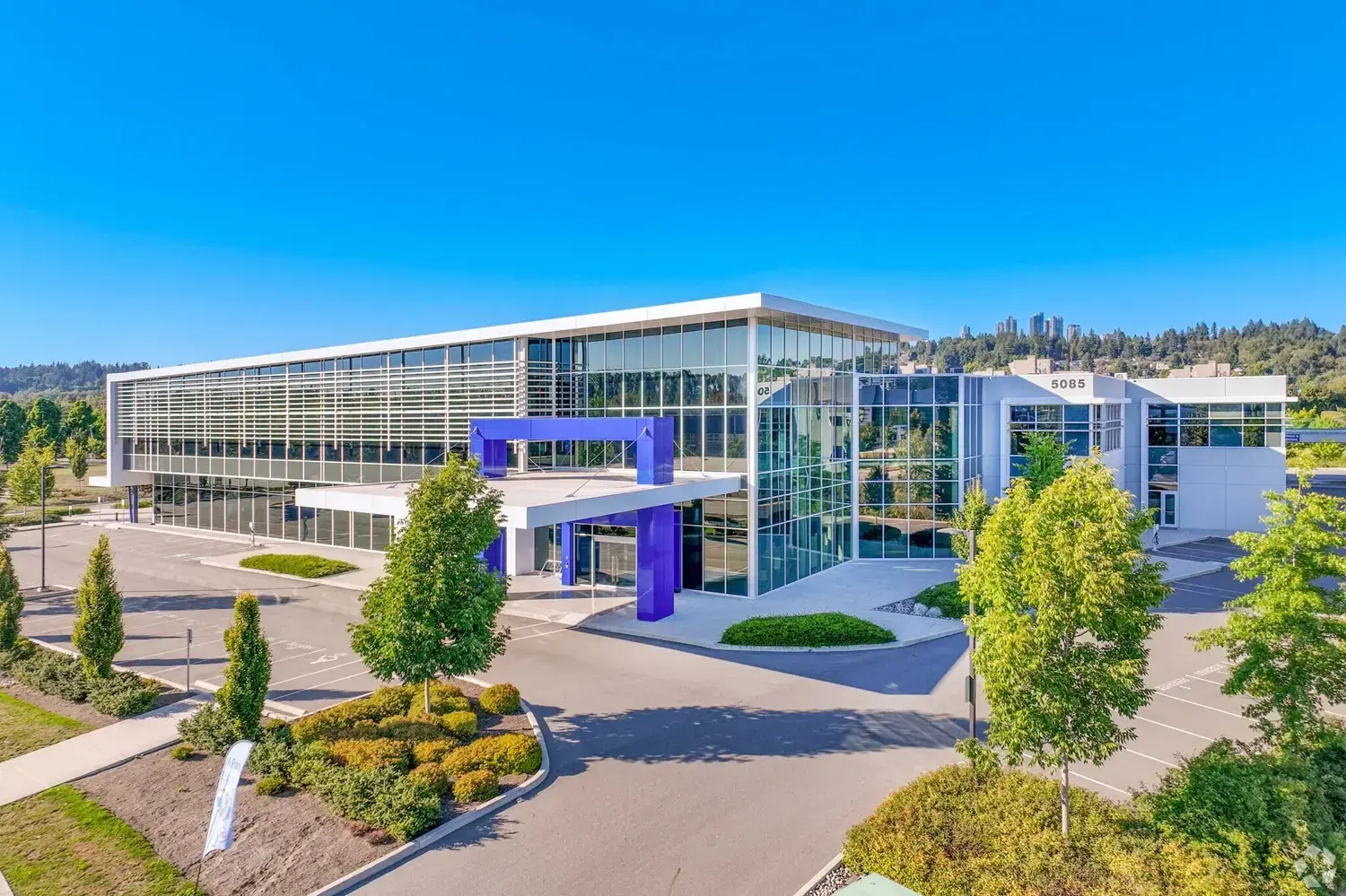
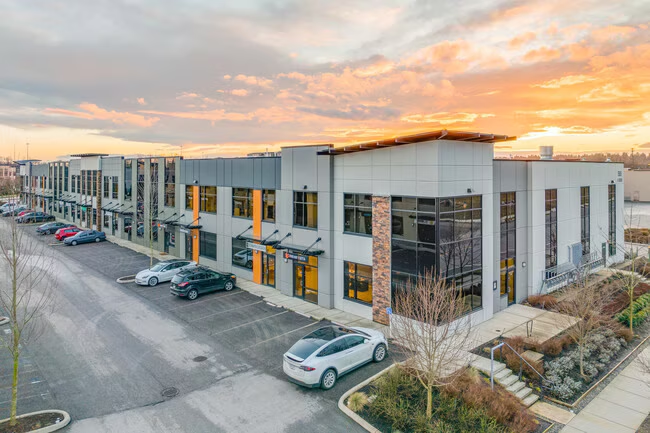
Mid-bay industrial space along the Mary Hill Bypass corridor.
Overview
Port Coquitlam industrial market overview
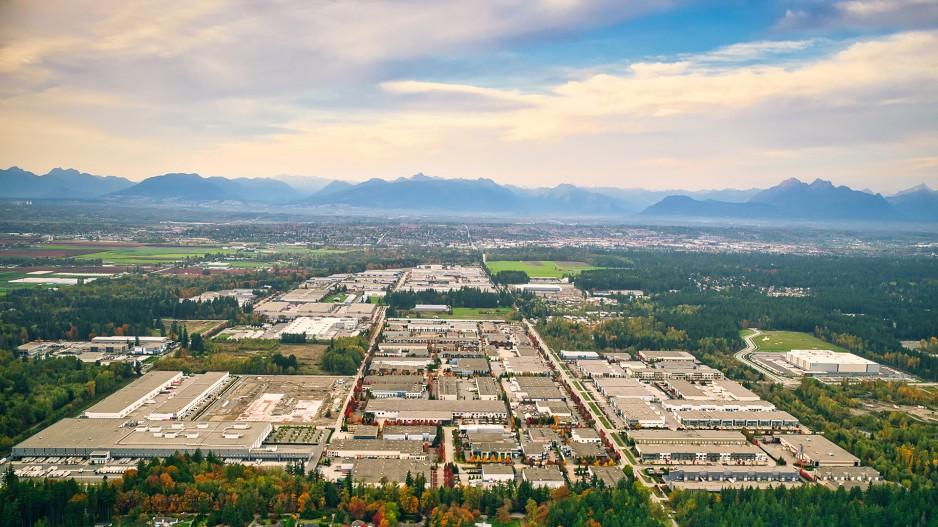
Port Coquitlam serves the Tri-Cities industrial market with a mix of mid-bay multi-tenant, rail-served, and legacy heavy industrial inventory along the Mary Hill Bypass corridor. The submarket sits between the dense western markets and the active Surrey/Langley new development corridor, offering a price-point and operational profile that suits regional distributors, contractors, equipment dealers, and manufacturing tenants. Recent absorption has been steady, with limited new construction.
Market Snapshot
Key metrics for Port Coquitlam.
- Lease Range
- $20.17 PSF net average asking (Q2 2026); $20.01 – $20.41 across reports
- Vacancy
- 2.2% average (Q2 2026); 3.4% availability, among the tightest in the region
- Clear Heights
- Mostly 24 – 30 ft; some modern 32 – 36 ft Class A
- Asset Mix
- Mid-bay multi-tenant, rail-served, strata, legacy industrial
- Land Availability
- Constrained; most growth from infill and redevelopment
Defining Characteristics
What makes Port Coquitlam distinct.
- Mary Hill Bypass corridor access
- CP Rail service to multiple sites
- Regional distributor and contractor tenant base
- Strong strata industrial inventory
- Tri-Cities labour catchment
- More affordable than western submarkets
Typical Tenant Base
Who occupies space here.
- Regional distributors and wholesalers
- Construction services and equipment
- Manufacturing and assembly
- Specialty trade contractors with yard
- Owner-user strata occupiers
- Logistics serving the Tri-Cities and Fraser Valley
Notable Industrial Areas
Where the industrial inventory clusters.
The key industrial nodes within Port Coquitlam, where availability, leasing activity, and tenant turnover concentrate. Click any pin for details.
Loading map…
- 01
Industrial Node
Mary Hill Bypass corridor
- 02
Industrial Node
Pitt River Road industrial
- 03
Industrial Node
Broadway Street industrial
- 04
Industrial Node
Westwood Industrial Park area
- 05
Industrial Node
Kingsway Avenue industrial
Why I Work Port Coquitlam
Working in Port Coquitlam industrial
Port Coquitlam gives operators a Tri-Cities address, CP rail and Mary Hill Bypass connectivity, and a price point below Burnaby. I focus exclusively on industrial sales and leasing and work the Port Coquitlam submarket directly: mid-bay multi-tenant buildings, strata industrial, and the rail-served sites that suit regional distributors and contractors. I track availability, recent comparables, and tenant activity in Port Coquitlam, and I reach owners who are not publicly marketing their space.
Tenants should evaluate Mary Hill Bypass commute patterns and bridge congestion for east-west freight flows. Owner-users have strong strata acquisition opportunities, particularly in modern Class A strata developments. The submarket's character means most tenants are regional rather than national, which affects buyer pool depth for industrial sales.
Frequently Asked Questions
Port Coquitlam industrial, answered.
Why choose Port Coquitlam over Burnaby for industrial space?
Port Coquitlam offers meaningfully lower lease rates and a similar mid-bay industrial profile, with the trade-off being longer transit time to the Vancouver core and Port of Vancouver. For regional distribution, manufacturing, and contractor uses that don't need port adjacency, Port Coquitlam typically delivers materially better economics with a comparable operational profile.
Is strata industrial in Port Coquitlam a good buy?
Modern strata industrial in Port Coquitlam has shown consistent appreciation and remains liquid. For owner-users with stable occupancy horizons, strata acquisition typically delivers strong long-term economics. The market suits small to mid-size operators wanting ownership without the price point of strata in Burnaby or Vancouver.
What rail service is available in Port Coquitlam industrial sites?
CP Rail provides direct service to multiple industrial sites along the Mary Hill corridor. Rail-served sites are limited and turn infrequently - when they become available, they command meaningful premiums and attract specific operational profiles (lumber, building materials, bulk commodities).
What's the typical lease rate in Port Coquitlam industrial?
Port Coquitlam net asking rents averaged about $20.17 PSF across the Q2 2026 brokerage reports, slightly above Burnaby, with modern Class A product at the upper end. Operating costs run about $6.30 to $7.50 PSF. On current asking rents there is little discount versus Burnaby; the case for Port Coquitlam is the availability of mid-bay and rail-served product rather than price.
Related Submarkets