Property Type
Flex / Office-Industrial.
Flex industrial combining showroom, warehouse, and office space.
Got a flex / office-industrial question? Talk to Samuel directly. No gatekeepers, no forms required.
Overview
Flex / Office-Industrial overview
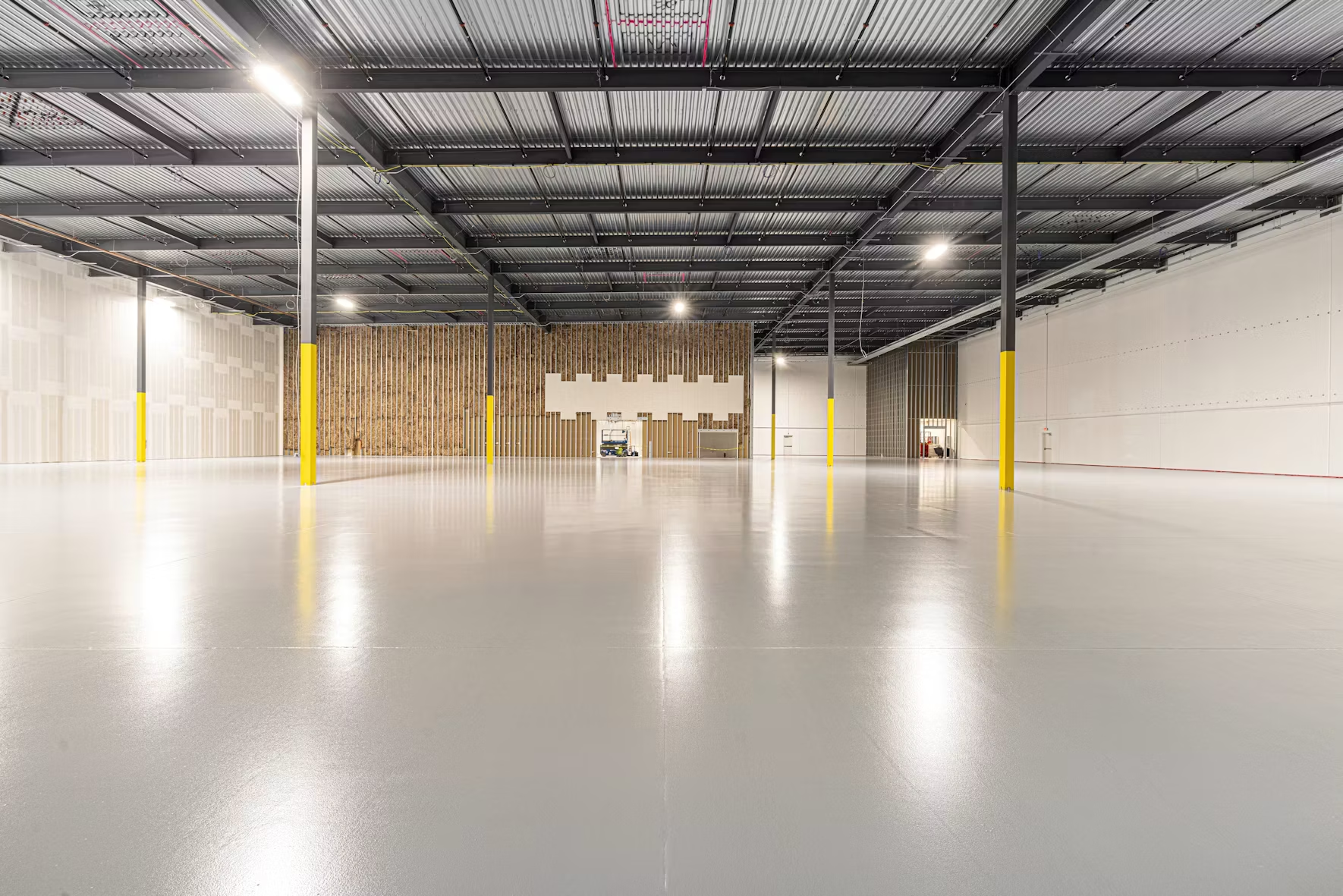
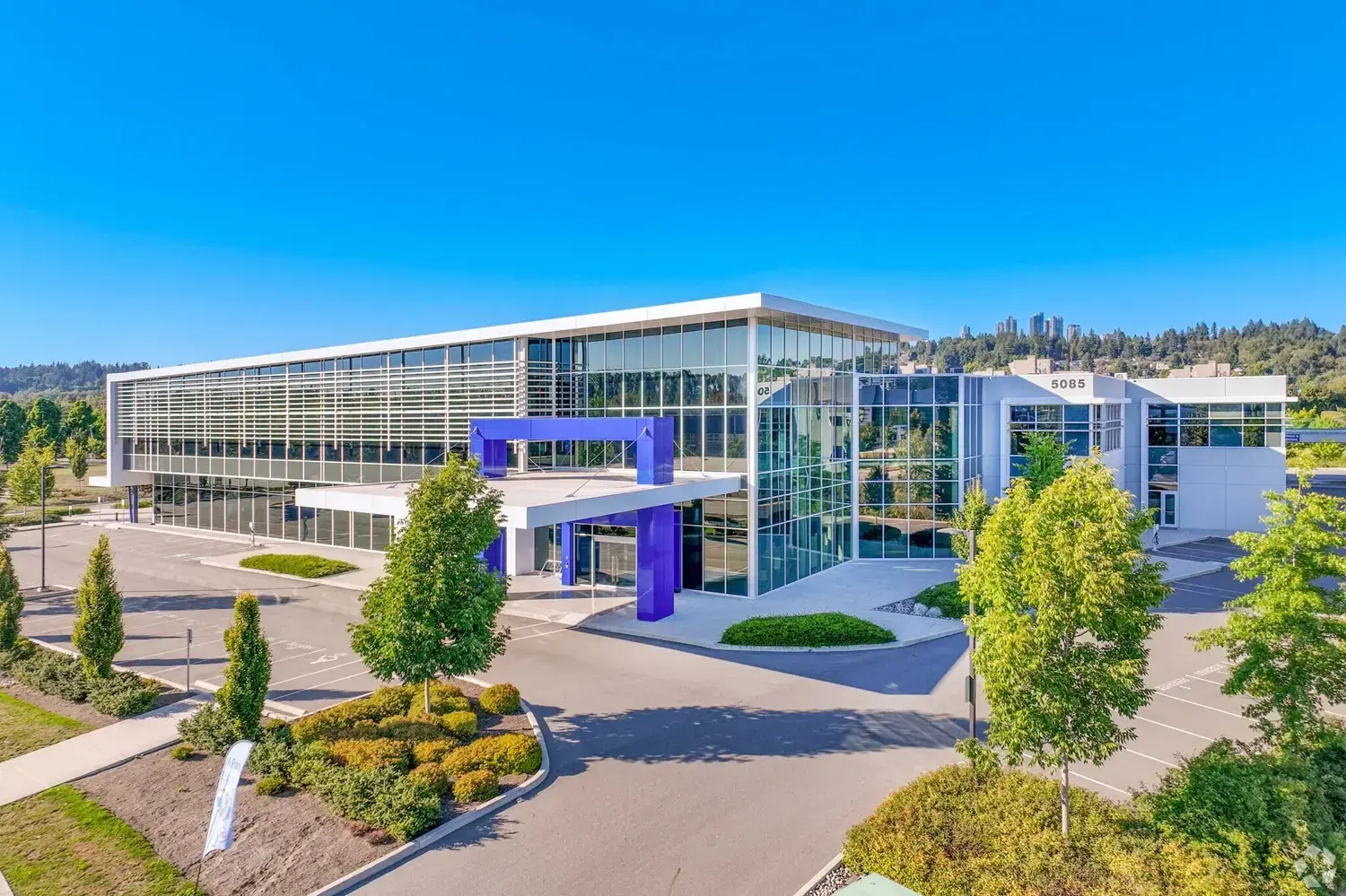
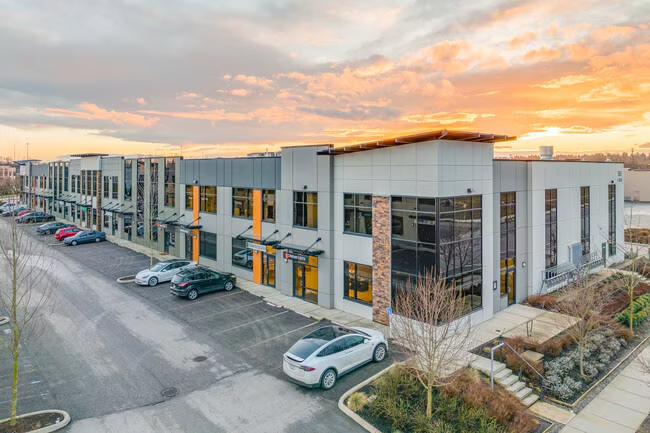
Flex industrial buildings combine warehouse, showroom, light assembly, and office uses in a single envelope. The asset class suits tenants with mixed operational profiles - distribution paired with retail showroom, light manufacturing paired with customer-facing sales, e-commerce paired with returns processing. Buildings typically range from 5,000 to 50,000 SF with 20 to 60 percent office build-out, lower clear heights than dedicated warehouse, and prominent street-facing frontage.
Building Specifications
Typical specifications for Flex / Office-Industrial
- Office Build-Out
- 20 – 60% of total area
- Clear Height
- 18 – 26 ft typical
- Loading
- Mix of grade-level and dock-high
- Frontage
- Often prominent street-facing
- Parking
- Higher ratios than pure industrial
- Strata vs Rental
- Strong strata inventory available
Typical Users
Who occupies this asset class.
- Specialty trade contractors with showrooms
- Equipment distributors with parts and service
- Light manufacturing with customer-facing sales
- Wholesale with retail components
- E-commerce with returns and packaging
- Service businesses with warehouse needs
Lease Economics
How the asset trades.
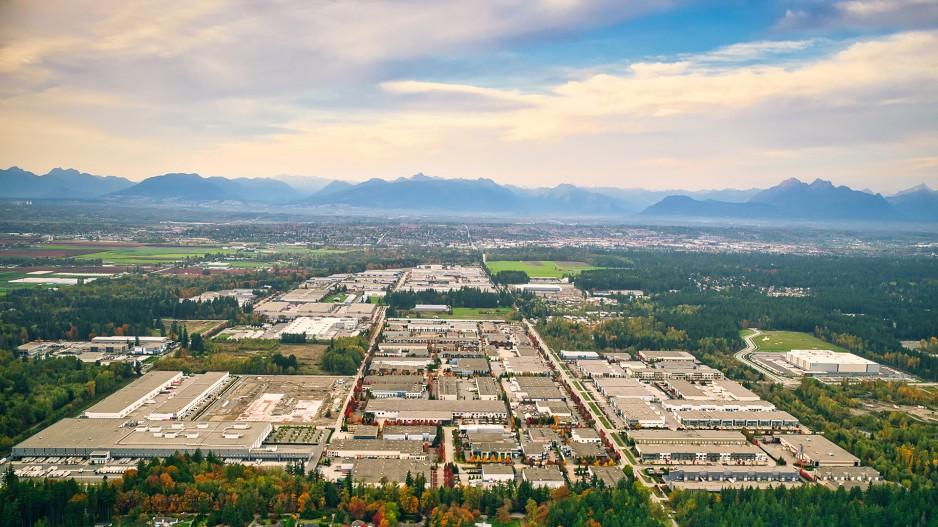
Flex industrial leases trade on a blended basis reflecting the office and warehouse mix. Net rents for flex typically sit above the Metro Vancouver industrial average of about $19.10 PSF (Q2 2026 brokerage reports), with the premium depending on submarket, office percentage, and frontage quality. Operating costs run $6 to $10 PSF. Strata flex industrial is broadly available for owner-user purchase, particularly in Burnaby, Surrey, and Langley.
Recent Trends
What’s shaping demand.
Flex industrial demand has remained steady through cycles, supported by stable demand from contractors, equipment distributors, and small specialty manufacturers. Strata flex inventory has shown consistent appreciation, particularly in Burnaby and Surrey. Tenants combining e-commerce with returns processing have added incremental demand.
Why Me
Why work with me on Flex / Office-Industrial
Flex industrial decisions involve trade-offs between office quality, warehouse capability, and street-facing image. I focus exclusively on industrial sales and leasing and help tenants and owner-users weigh that balance against their operation and growth horizon. The strata versus rental decision matters here: for stable owner-users, strata flex often delivers strong long-term economics, and I track both strata and rental flex availability across Metro Vancouver.
Frequently Asked Questions
Flex / Office-Industrial, answered.
How much office build-out is right for my flex space?
Office build-out depends on your headcount-to-warehouse ratio, customer-facing requirements, and growth horizon. A typical small business with 10 to 20 office workers and 10,000 to 15,000 SF warehouse needs 20 to 30 percent office. Businesses with prominent showroom or training facility needs may push to 40 to 60 percent.
Is flex industrial a good owner-user investment?
Strata flex industrial in established submarkets (Burnaby, Surrey, Langley) has historically been one of the more defensible owner-user investments in Metro Vancouver. The buy-vs-lease math typically favours ownership for stable operators with 10+ year horizons. Liquidity for eventual exit has been consistent.
Can I add showroom space to a standard warehouse?
In most cases yes, subject to municipal zoning and building code requirements. Adding customer-facing showroom typically requires upgrades to building envelope, plumbing, accessibility, and parking. Municipal occupancy permits and zoning compliance should be confirmed before signing a lease with the intention of showroom conversion.
What's the typical lease rate for flex industrial in Metro Vancouver?
Net rents for flex typically sit above the Metro Vancouver industrial average of about $19.10 PSF (Q2 2026 brokerage reports), with the premium depending on submarket, office percentage, and frontage quality. Burnaby and Richmond command premium pricing. Surrey and Langley offer materially lower rates with comparable building quality.