Property Type
Cold Storage.
Refrigerated, freezer, and food-grade industrial space in Metro Vancouver.
Got a cold storage question? Talk to Samuel directly. No gatekeepers, no forms required.
Overview
Cold Storage overview
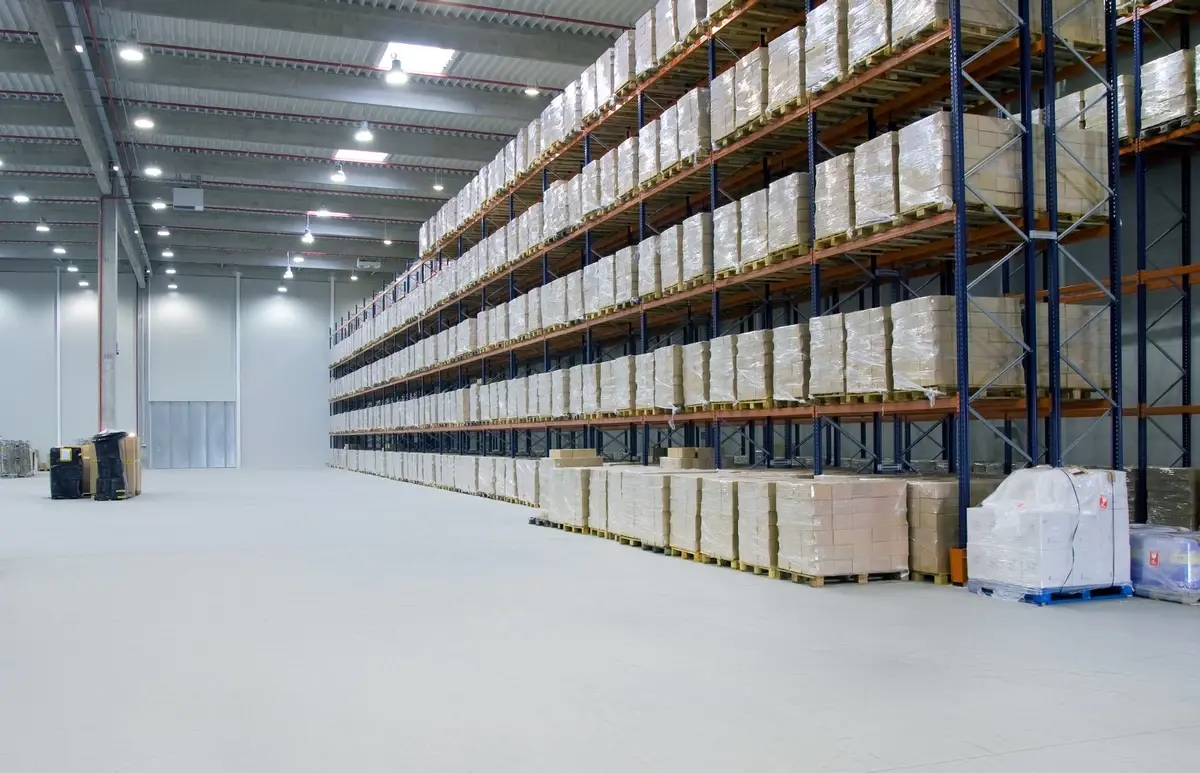
Cold storage represents the most operationally specialized segment of Metro Vancouver industrial real estate. Buildings combine refrigeration infrastructure, food-safety compliance design, multi-temperature zones (cooler, freezer, blast), power redundancy, and operational layouts engineered for food handling. The supply is structurally constrained - capex per square foot for purpose-built cold storage runs 2 to 4 times standard distribution - and demand has tightened markets across Metro Vancouver.
Building Specifications
Typical specifications for Cold Storage
- Temperature Zones
- Cooler (+2 to +5°C), Freezer (-18°C), Blast (-30°C)
- Power Redundancy
- Frequently dual-feed or generator backup
- Insulation
- R-30 to R-60 envelope; cold panel construction
- Clear Height
- 28 – 40 ft in modern; legacy variable
- Loading
- Often refrigerated dock doors with seals
- Compliance
- CFIA food-grade common; SQF, BRC, HACCP varied
Typical Users
Who occupies this asset class.
- Food and beverage distribution
- Frozen food producers and packers
- 3PL cold-chain operators
- Grocery and retail cold-chain
- Pharmaceutical and biotech cold storage
- Import / export cold-chain (seafood, produce)

Lease Economics
How the asset trades.
Cold storage leases command meaningful premiums to dry distribution - typically $28 to $40+ PSF net depending on temperature zones, building specifications, and configuration. Lease terms run 7 to 15 years to amortize the build cost. Operating costs are higher than dry distribution due to refrigeration energy and maintenance. The buyer pool for cold storage assets is concentrated but institutional.
Recent Trends
What’s shaping demand.
Cold storage demand has tightened Metro Vancouver markets since 2020, driven by grocery e-commerce expansion, seafood and produce import flows, and 3PL cold-chain consolidation. Richmond remains the dominant submarket; Delta and Surrey have absorbed new construction. Build cost inflation has constrained new supply, supporting strong rent escalation.
Why Me
Why work with me on Cold Storage
Cold storage transactions carry requirements that general industrial does not: refrigeration capex modelling, food-safety compliance design, multi-temperature operating economics, and tenant qualification. I focus exclusively on industrial sales and leasing and work through those variables with cold-chain tenants and owners. I track cold storage and food-grade availability and comparables in Richmond, Delta, and Surrey, and through the NAI Global network I can bring disposition mandates to cold-chain buyers in other markets.
Frequently Asked Questions
Cold Storage, answered.
What does it cost to build cold storage in Metro Vancouver?
Purpose-built cold storage typically runs $400 to $700+ per square foot all-in, depending on temperature zones, redundancy requirements, and compliance certifications. Conversion of dry distribution to cold storage runs lower but rarely delivers true purpose-built operational performance. Build cost has meaningfully escalated through inflation, contributing to constrained new supply.
What's the typical lease rate for cold storage in Richmond?
Modern cold storage in Richmond leases $28 to $40+ PSF net depending on temperature zones and specifications. Multi-temperature buildings with freezer and blast capacity command the highest rates. Cold storage operating costs run materially higher than dry distribution due to refrigeration energy consumption.
Can I convert dry distribution space to cold storage?
Yes - though the conversion economics depend on building envelope, electrical capacity, structural roof loading, and HVAC infrastructure. Cooler conversions are typically more economic than freezer or blast. Conversion always delivers operational performance below purpose-built cold storage. The decision should be modelled against ground-up alternatives where available.
Where does cold storage concentrate in Metro Vancouver?
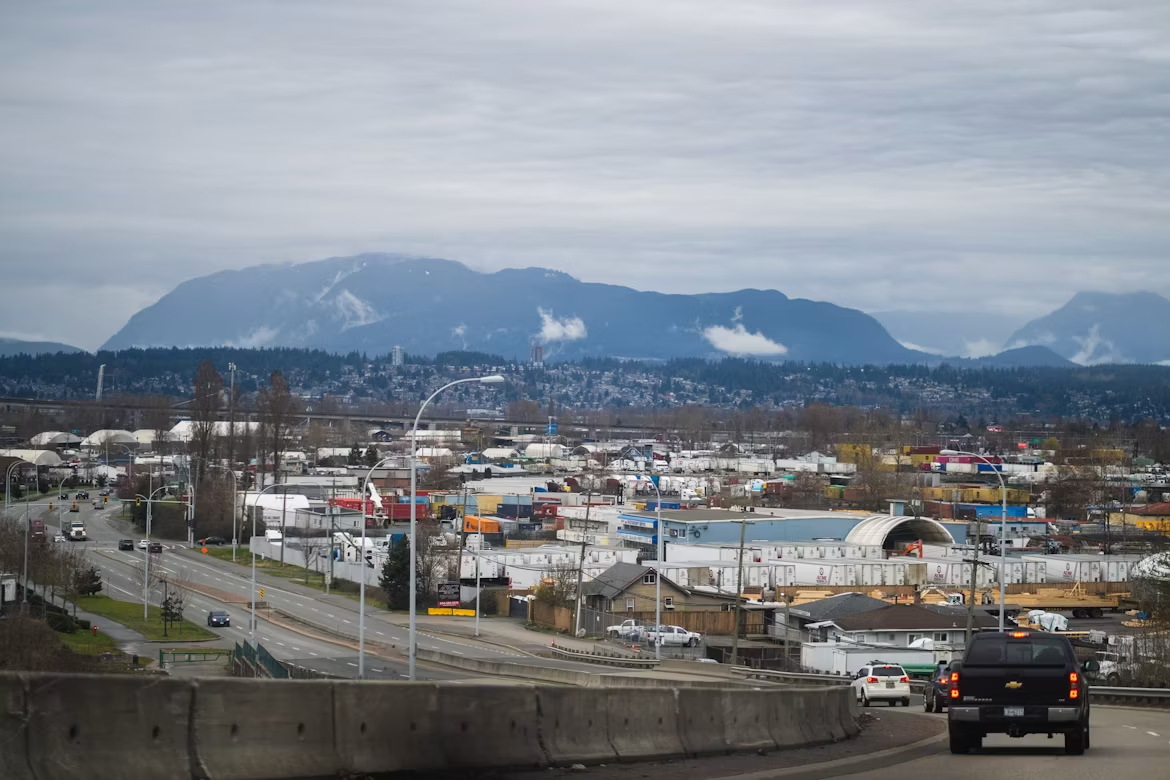
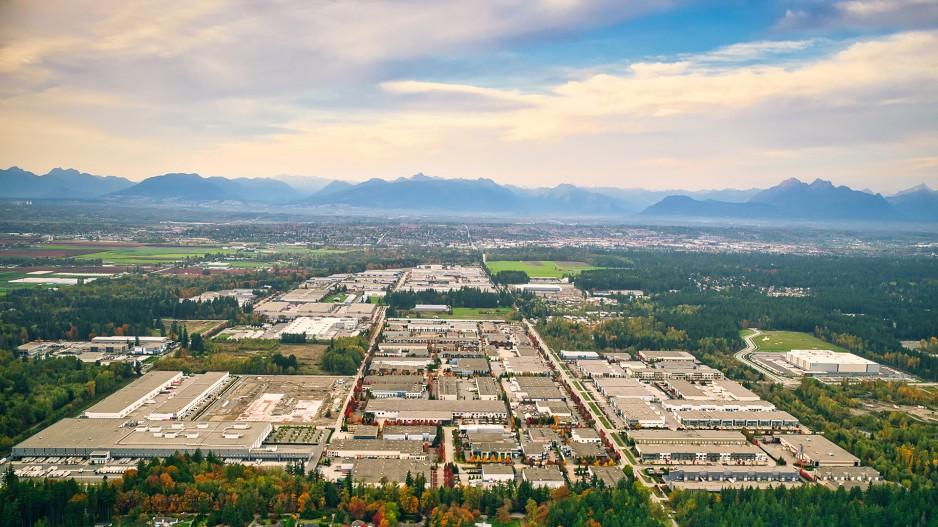
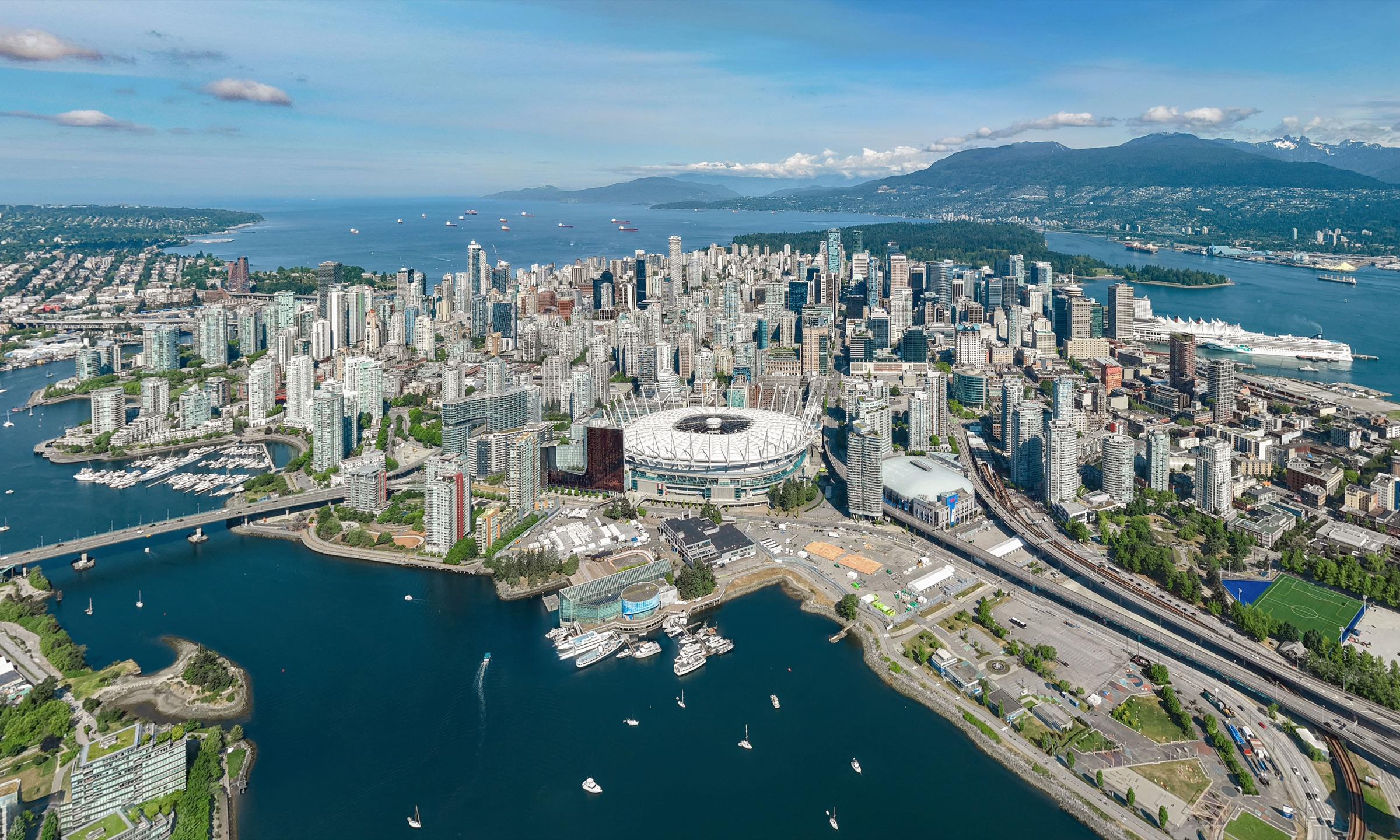
Richmond is the dominant cold storage submarket, anchored by YVR adjacency, port access, and established cold-chain operator clustering. Delta and Surrey have absorbed new cold storage construction. Vancouver-proper cold storage is limited and largely tied to legacy waterfront industrial.