Property Type
Logistics & Last-Mile.
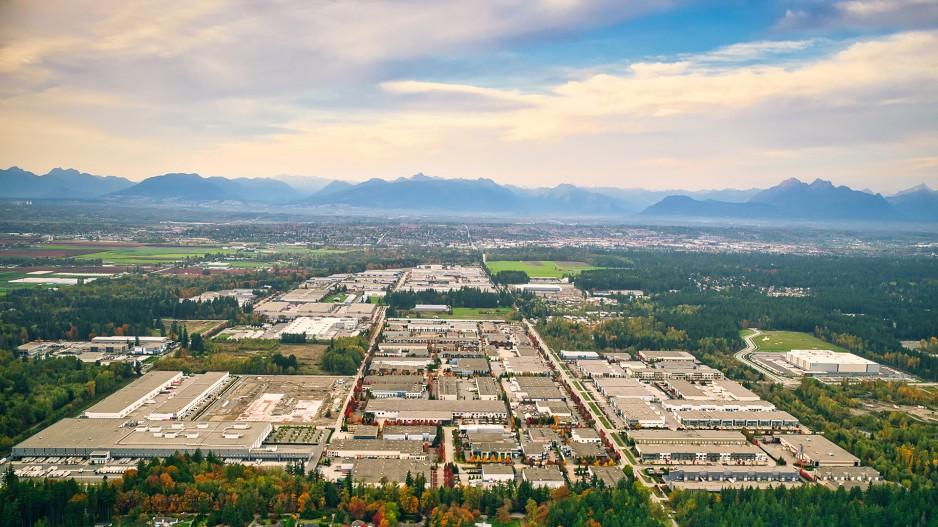
Last-mile and parcel delivery facilities in Metro Vancouver.
Got a logistics & last-mile question? Talk to Samuel directly. No gatekeepers, no forms required.
Overview
Logistics & Last-Mile overview
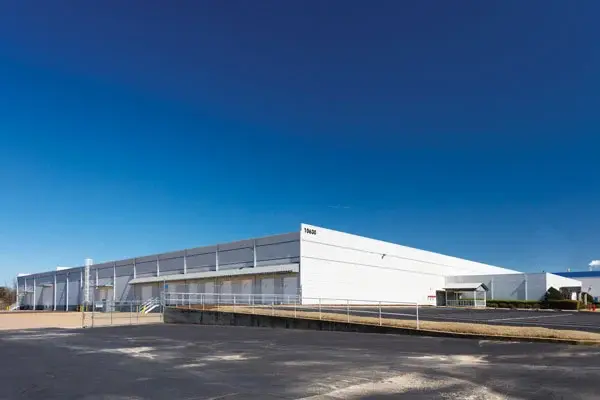
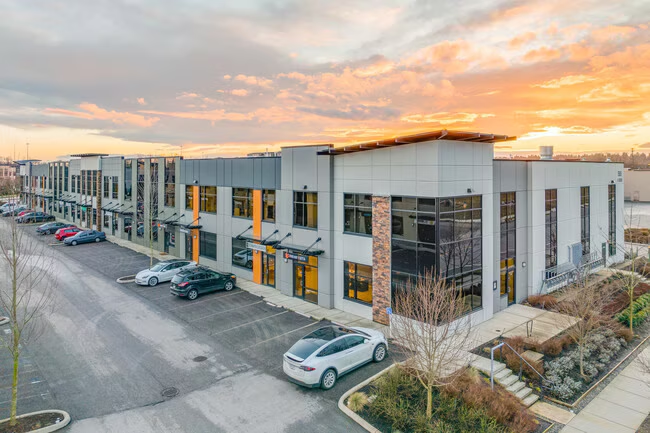
Last-mile logistics has emerged as one of the most rapidly growing segments of Metro Vancouver industrial demand, driven by e-commerce expansion, same-day delivery models, and the structural shift in consumer purchasing patterns. The asset class spans urban infill parcel facilities, suburban cross-dock buildings, and large-format e-commerce fulfillment centers. Site selection prioritizes proximity to population density, vehicle routing, and labour catchment over traditional industrial criteria like clear height.
Building Specifications
Typical specifications for Logistics & Last-Mile
- Clear Height
- 18 – 32 ft (varies by use)
- Loading
- Van-loading and dock-high mix
- Site Coverage
- Lower than DC - fleet parking critical
- Truck Court Depth
- 60 – 130 ft based on fleet vehicle size
- Office Build-Out
- Often higher than standard industrial
- Power / EV Charging
- Increasingly critical for EV fleets
Typical Users
Who occupies this asset class.
- Parcel and courier operators (Amazon, FedEx, UPS, DHL)
- E-commerce direct-to-consumer fulfillment
- Grocery and food delivery operators
- Local delivery aggregators
- Crossdock and reverse-logistics operators
- Final-mile contractors and DSP networks
Lease Economics
How the asset trades.
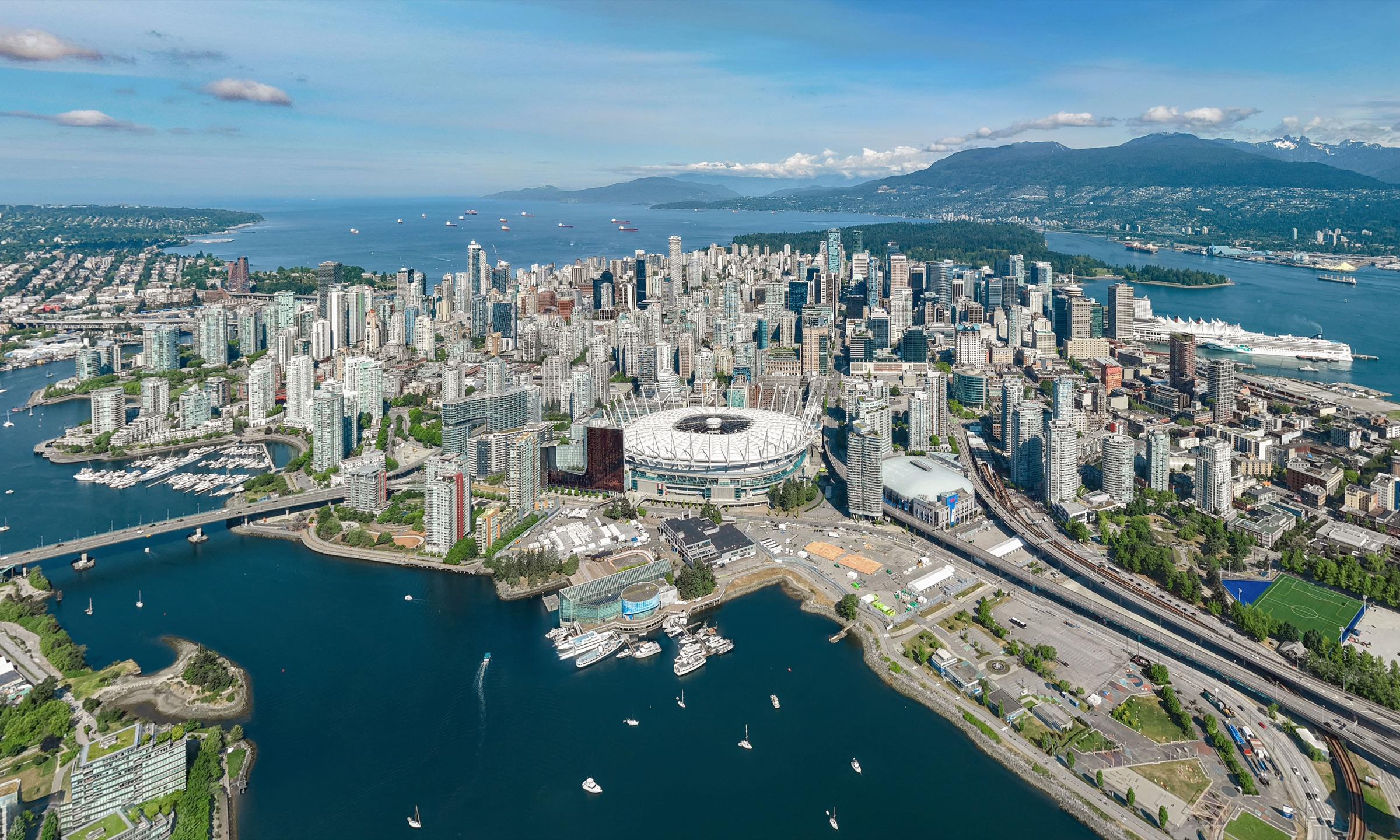
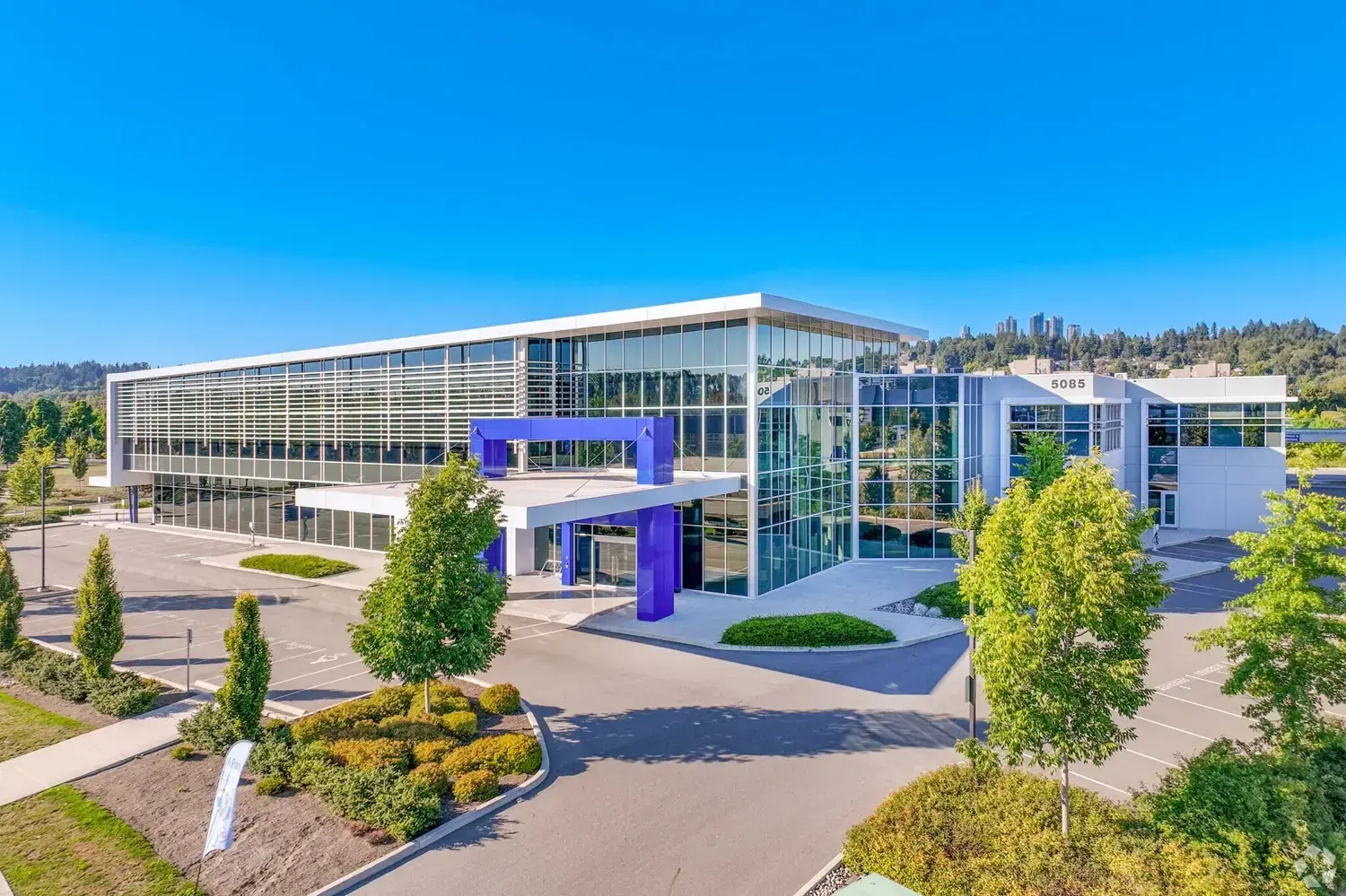
Last-mile facilities command premium rents in urban infill submarkets where land is constrained and population density justifies the cost. Vancouver-proper and inner Burnaby last-mile sites lease above those submarkets' Q2 2026 averages of roughly $20 PSF net, with the best-located modern units commanding a premium. Suburban last-mile in Surrey and Richmond runs around $18.50 to $20.50 PSF net on current averages. Lease terms typically 5 to 10 years with operators frequently preferring shorter terms to maintain network flexibility.
Recent Trends
What’s shaping demand.
Network optimization has shifted last-mile demand toward sites closer to population centers, supporting infill demand in Vancouver, Burnaby, and Richmond. EV fleet transitions have made power capacity and charging infrastructure increasingly critical site selection criteria. Several operators have rationalized larger DCs into smaller, closer-to-customer last-mile networks.
Why Me
Why work with me on Logistics & Last-Mile
Last-mile site selection is a network problem as much as a real estate problem. The right site depends on route density, vehicle cycle times, labour pool, fleet parking, and how the facility fits the operator's wider network. I focus exclusively on industrial sales and leasing and work with last-mile and parcel operators to evaluate sites against those operating metrics alongside the building features. I track infill and cross-dock availability across Vancouver, Burnaby, Richmond, and Surrey.
Frequently Asked Questions
Logistics & Last-Mile, answered.
How do last-mile facilities differ from traditional distribution centres?
Last-mile facilities prioritize site geography and vehicle access over building specifications. Population proximity, route density, and fleet parking capacity drive the economics. Clear height and loading ratios - critical for large DCs - matter less when most fulfillment uses van-loading and high-frequency vehicle turns. The right last-mile building is often a B-class facility in an A-class location.
Where should a last-mile facility be located in Metro Vancouver?
Optimal location depends on the service area and route economics. For Vancouver-core last-mile, sites in Vancouver, inner Burnaby, and north Richmond minimize vehicle cycle times. For Lower Mainland-wide last-mile, central locations in south Burnaby, Richmond, and north Surrey are common. Network modelling should drive the decision.
What's the EV charging requirement for last-mile facilities?
Operators transitioning to EV fleets need meaningful electrical service capacity - frequently 1000A+ for sites running 10+ EV vans, more for larger fleets. The required infrastructure includes upgraded utility service, charger installation, and potentially battery storage. BC Hydro upgrades carry 6 to 18 month timelines, making site selection with adequate existing capacity meaningfully advantageous.
Can existing distribution warehouses be retrofit for last-mile use?
Yes, in many cases - though the cost-effectiveness depends on existing site characteristics. Buildings with shallow depth, good loading, and adequate fleet parking can convert relatively easily. Buildings with deep cube and limited site area frequently can't accommodate the vehicle parking and turning requirements of high-volume last-mile operations.