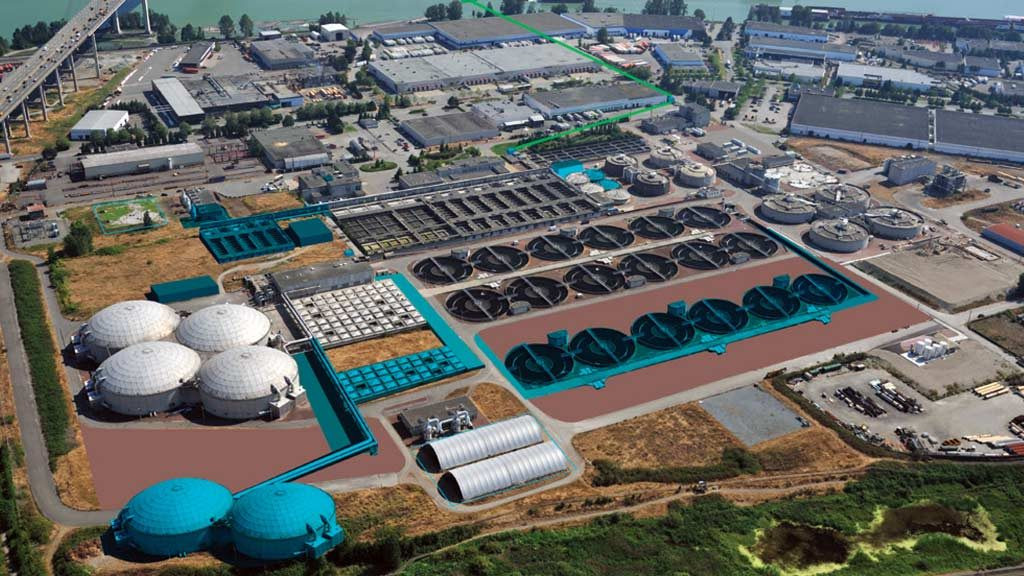
When industrial users in Metro Vancouver need heavy manufacturing capability, outdoor storage, or process-intensive operations, the list of viable submarkets shrinks quickly. Annacis Island in Delta remains one of the few locations where these uses are not only permitted but actively supported by infrastructure, zoning, and an established industrial ecosystem. For owners, occupiers, and investors focused on heavy industrial real estate, understanding what differentiates Annacis Island from the broader Delta market—and from Metro Vancouver as a whole—is essential for informed decision-making in 2026.
Heavy Industrial Zoning: A Diminishing Asset Class
Metro Vancouver's industrial land base has contracted steadily over the past two decades. Municipal rezoning, agricultural land constraints, and the conversion of older industrial sites to mixed-use development have eroded the supply of land zoned for heavy industrial uses. Light industrial and business park developments now dominate new construction, catering to logistics, e-commerce, and clean manufacturing tenants.
Annacis Island occupies a distinct position in this landscape. The island's zoning—primarily I3 (Heavy Industrial) under Delta's Official Community Plan—permits uses that are increasingly difficult to accommodate elsewhere in the region. These include:
- Metal fabrication and heavy manufacturing
- Chemical processing and industrial coatings
- Concrete batching and aggregate handling
- Truck and heavy equipment yards
- Marine-dependent industrial operations
This zoning flexibility is not merely a regulatory detail. It shapes tenant composition, lease structures, and long-term asset value. Buildings and land parcels on Annacis Island command interest from users who have been displaced from other submarkets or who require operational parameters that light industrial zones cannot support.
Infrastructure and Access: The Island's Competitive Position
Annacis Island benefits from infrastructure that was purpose-built for industrial intensity. The island is served by the Alex Fraser Bridge, providing direct access to Highway 91 and connections to Highway 99, the George Massey Tunnel corridor, and the broader regional highway network. For tenants dependent on trucking, this connectivity is a baseline requirement.
Equally important is the island's proximity to the Fraser River and its marine terminals. Several parcels offer deep-water or barge access, supporting industries that require waterborne shipping for bulk materials or oversized cargo. This capability is rare in Metro Vancouver and positions Annacis Island as a functional alternative to the more constrained port-adjacent lands in Vancouver proper.
Utilities on Annacis Island reflect its industrial heritage. Electrical capacity, natural gas supply, and water and sewer infrastructure are scaled for heavy users. While tenants should always conduct due diligence on specific site capacity—particularly for high-amperage manufacturing or process water requirements—the baseline infrastructure is substantially more robust than what is available in newer light industrial parks.
Lease Rates and Availability in 2026
Annacis Island lease rates reflect the submarket's specialized positioning. As of mid-2026, asking rates for standard heavy industrial warehouse space on the island range from approximately $16.00 to $20.00 per square foot net, depending on building age, clear height, and yard configuration. This represents a modest discount to newer light industrial product in Richmond or South Vancouver, but a premium relative to older heavy industrial stock in Port Coquitlam or parts of Surrey.
Vacancy on Annacis Island remains tight. The island's finite land base—approximately 1,200 acres, with no greenfield expansion possible—means that new supply is limited to redevelopment of existing sites. In practice, turnover is driven by tenant relocations, business closures, or consolidation. Users seeking space on the island should expect limited options at any given time and should be prepared to act decisively when suitable listings emerge.
Yard-intensive users face particular scarcity. Parcels with significant outdoor storage—one acre or more of secured yard—are rarely available and often trade off-market. For trucking companies, equipment rental operators, and construction materials suppliers, Annacis Island remains a preferred location, and competition for yard space is intense.
Tenant Composition and Submarket Dynamics
The tenant base on Annacis Island skews toward established industrial operators with long tenures. Major occupiers include food and beverage processors, building materials distributors, industrial equipment suppliers, and logistics firms serving the construction and resource sectors. Several multinational manufacturers maintain Canadian distribution or light assembly operations on the island.
This tenant profile has implications for lease negotiations and asset underwriting. Heavy industrial tenants often require longer lease terms to amortize capital investments in equipment, specialized improvements, or environmental compliance. Landlords on Annacis Island are accustomed to structuring seven- to ten-year leases with escalation clauses tied to CPI or fixed annual increases, typically in the range of 2.5% to 3.5% per annum.
Tenant improvement allowances are less common than in light industrial submarkets, reflecting both the specialized nature of heavy industrial fit-outs and the expectation that tenants will invest in their own operational infrastructure. Prospective tenants should budget accordingly and negotiate clear terms around restoration obligations at lease end.
Investment Considerations for Annacis Island Assets
For investors, Annacis Island presents a differentiated risk-return profile. The submarket's constrained supply and specialized tenant base support stable occupancy and predictable cash flows. However, the heavy industrial asset class requires careful attention to environmental due diligence, deferred maintenance, and tenant credit quality.
Environmental site assessments are essential. Many Annacis Island properties have industrial operating histories spanning decades, and Phase I and Phase II ESAs should be standard components of any acquisition. Remediation costs, where applicable, can materially affect deal economics.
Cap rates for well-leased heavy industrial assets on Annacis Island have compressed modestly over the past two years, tracking the broader Metro Vancouver trend. Mid-2026 transactions have priced in the 5.00% to 5.75% range for stabilized, single-tenant buildings with creditworthy occupants. Older or multi-tenant assets with near-term lease rollover may trade at higher yields, reflecting execution risk.
Investors should also consider the long-term regulatory environment. Delta's Official Community Plan continues to protect Annacis Island for industrial use, and there is no meaningful political momentum toward rezoning. This regulatory stability is a meaningful differentiator relative to industrial lands in municipalities facing residential or mixed-use conversion pressure.
Practical Guidance for Occupiers and Owners
For tenants evaluating Annacis Island, the submarket offers operational flexibility that is difficult to replicate elsewhere in Metro Vancouver. However, users should approach the market with realistic expectations about availability and be prepared to consider sublease opportunities or older buildings that may require capital investment. Early engagement with a broker familiar with the submarket—and with access to off-market deal flow—can meaningfully expand the opportunity set.
For owners, Annacis Island assets benefit from structural supply constraints and a tenant base with limited relocation options. Lease renewals should be approached strategically, with attention to market escalations and tenant retention economics. Asset repositioning—whether through capital improvements, environmental remediation, or lot reconfiguration—can unlock incremental value in a supply-constrained environment.
NAI Commercial Vancouver advises clients across the Delta industrial market, including Annacis Island and the adjacent Tilbury corridor. For owners, occupiers, and investors seeking to understand heavy industrial opportunities in this submarket, a grounded perspective on zoning, infrastructure, and deal dynamics is the starting point for sound decision-making.