Property Type
3PL & Fulfillment.
Large-format distribution space for 3PL and fulfillment operators.
Got a 3pl & fulfillment question? Talk to Samuel directly. No gatekeepers, no forms required.
Overview
3PL & Fulfillment overview
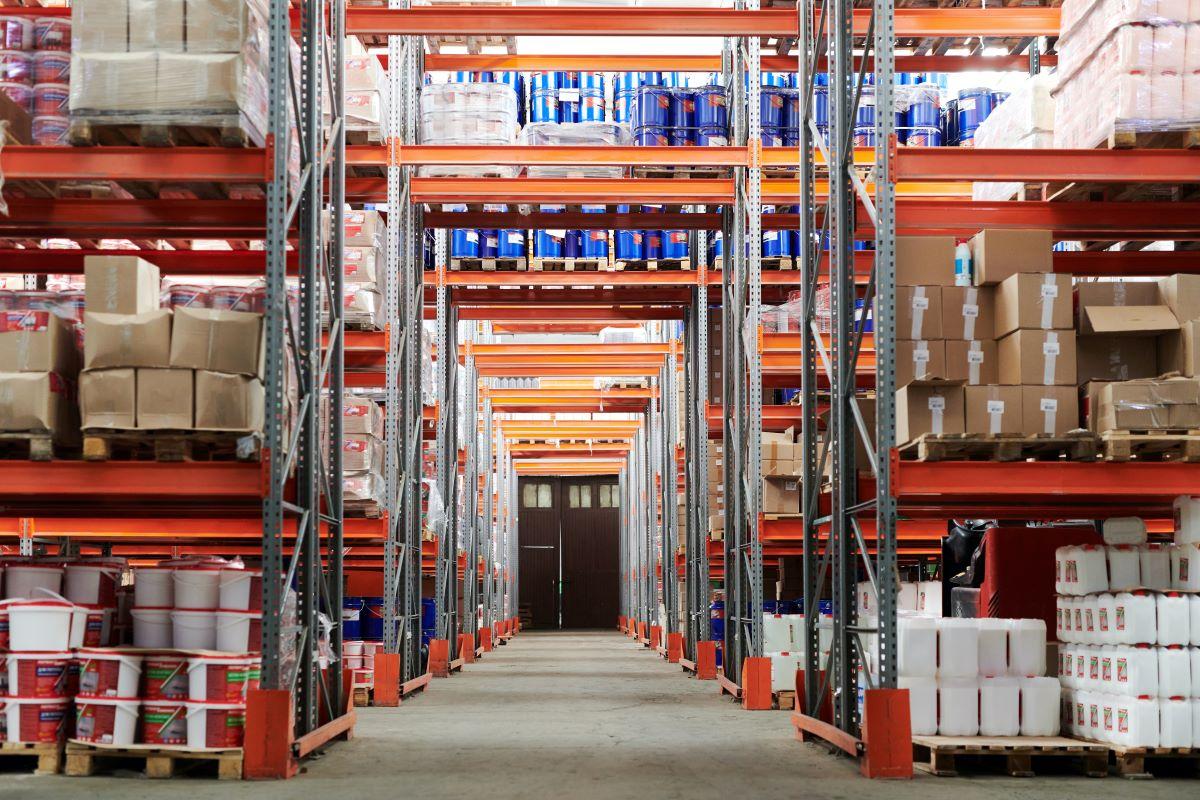
Third-party logistics (3PL) and e-commerce fulfillment operators are among the most active tenants in Metro Vancouver industrial real estate. The asset class spans large-format dedicated facilities (200,000+ SF), multi-tenant 3PL configurations, and mid-format e-commerce fulfillment centers. Site selection prioritizes building specifications optimized for high throughput, labour catchment, and proximity to delivery markets. Lease terms and structures often include tenant-specific build-outs for material handling systems, mezzanines, and conveyance.
Building Specifications
Typical specifications for 3PL & Fulfillment
- Clear Height
- 32 – 40 ft (modern Class A target)
- Loading Ratio
- 1 dock / 3,000 – 7,000 SF (high)
- Truck Court Depth
- 130 – 185 ft for trailer operations
- Column Spacing
- Wide spacing for material handling flexibility
- Floor
- Flat-floor specification for AS/RS, AGVs
- Power / Tech
- High-capacity for material handling systems
Typical Users
Who occupies this asset class.
- Contract logistics and 3PL operators
- E-commerce direct-to-consumer fulfillment
- Retail distribution and replenishment
- Returns processing and reverse logistics
- Cross-dock and parcel sortation
- Multi-client warehousing operators

Lease Economics
How the asset trades.
3PL and fulfillment leases trade in line with modern distribution rents - $15 to $22 PSF net in Surrey and Richmond, with premiums for newer Class A specifications. Lease terms typically run 7 to 10 years with built-in escalations. Material handling installations are often tenant-funded and amortized through lease term. Triple-net structure is standard with institutional landlords.
Recent Trends
What’s shaping demand.
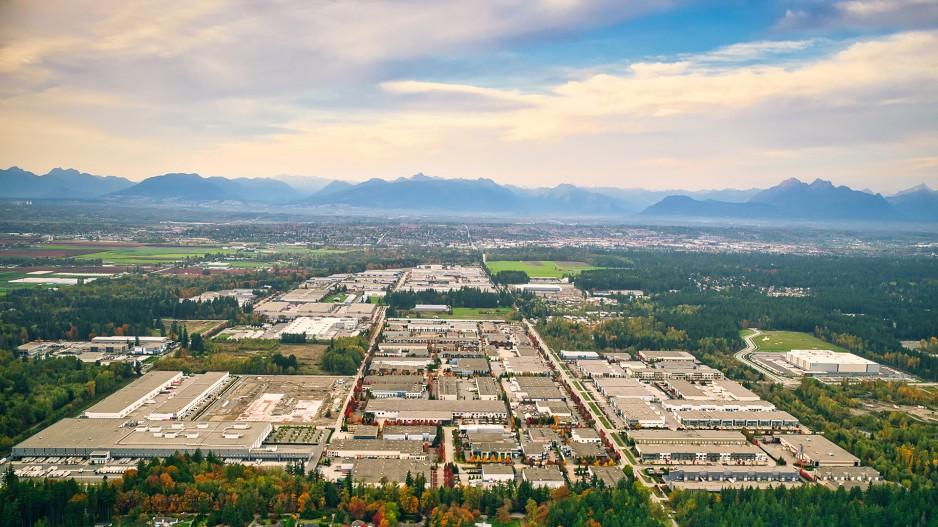
E-commerce growth and 3PL consolidation have driven the strongest absorption of large-format Class A inventory in Surrey, Port Kells, and Richmond. Returns processing has emerged as a meaningful sub-segment of demand. Cross-border 3PL flows have supported Surrey absorption near the US border crossings. Cold-chain 3PL has supported Richmond cold storage.
Why Me
Why work with me on 3PL & Fulfillment
3PL site selection is an operations and network question first. Building specifications matter, but labour cost, transportation cost, and customer service economics usually drive the location decision. I focus exclusively on industrial sales and leasing and work with 3PL and fulfillment operators to evaluate sites against those operating metrics alongside the building features: clear height, dock ratio, truck court depth, and floor specification. I track large-format Class A availability and recent comparables in Surrey, Richmond, Delta, and Langley.
Frequently Asked Questions
3PL & Fulfillment, answered.
What building specifications matter most for 3PL operations?
Clear height (32 to 40 ft for modern racking), loading ratio (1 door per 3,000 to 7,000 SF for high-throughput), truck court depth (130 to 185 ft for trailer operations), column spacing (wide for material handling flexibility), and floor flatness (critical for AS/RS or VNA installations). Power capacity and roof structural loading also matter for tenant-installed material handling systems.
Where do 3PL operators concentrate in Metro Vancouver?
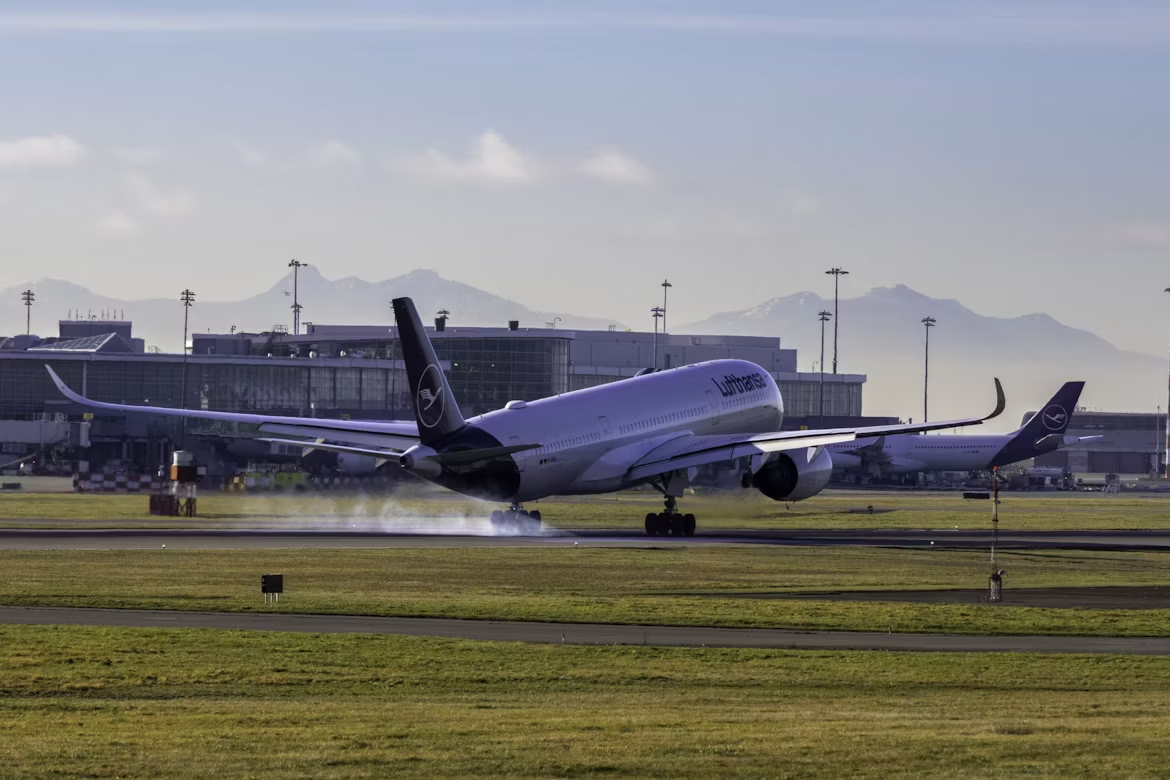
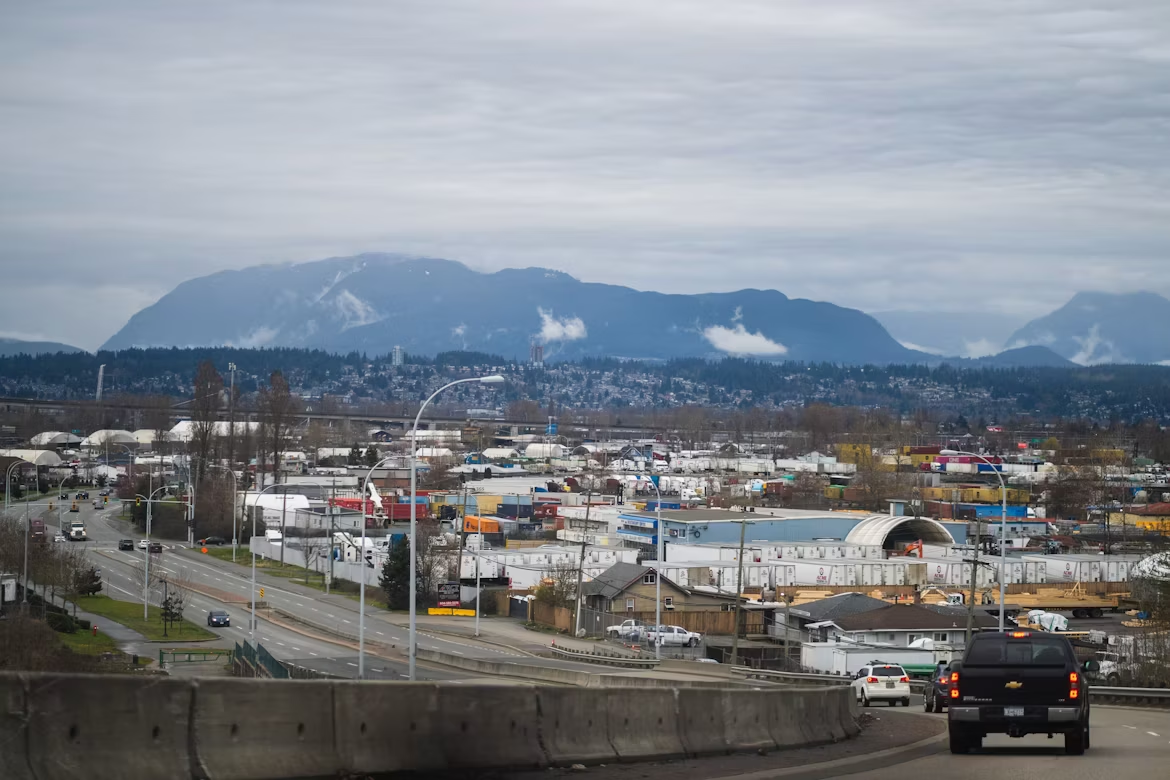
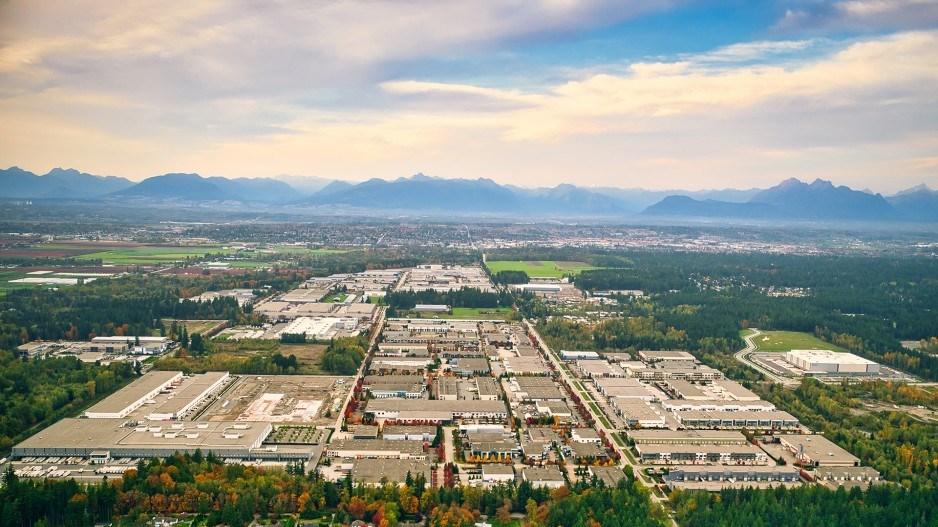
Surrey (Campbell Heights, Port Kells) and Richmond host the largest concentrations of 3PL and fulfillment operators. Surrey offers lower lease rates and modern large-format inventory; Richmond offers port and airport adjacency. Delta and Port Coquitlam host smaller 3PL operations. Vancouver-proper hosts limited 3PL - typically last-mile-focused.
What lease structure works for a 3PL operator with multi-client volatility?
3PL operators with multi-client volatility benefit from lease terms that balance commitment (to amortize TI and build-out) with flexibility (to absorb client churn). Common structures include 7 to 10 year terms with break options, expansion rights, and graduated TI amortization. Operators should negotiate the right balance for their book of business.
How does material handling installation affect lease structure?
Tenant-installed material handling systems (racking, conveyance, AS/RS) typically remain tenant property and are removed at lease end. The capital investment supports longer lease terms to amortize. Landlords may contribute to base building specifications (slab thickness, power capacity) that benefit the tenant's installation. The full economics should be modelled in lease negotiation.