The Tilbury Setup
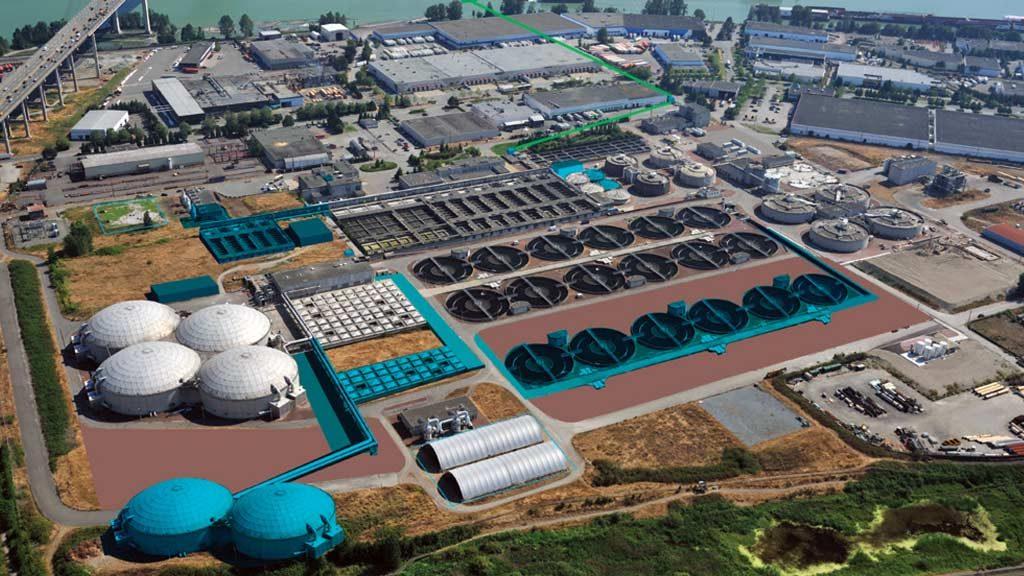
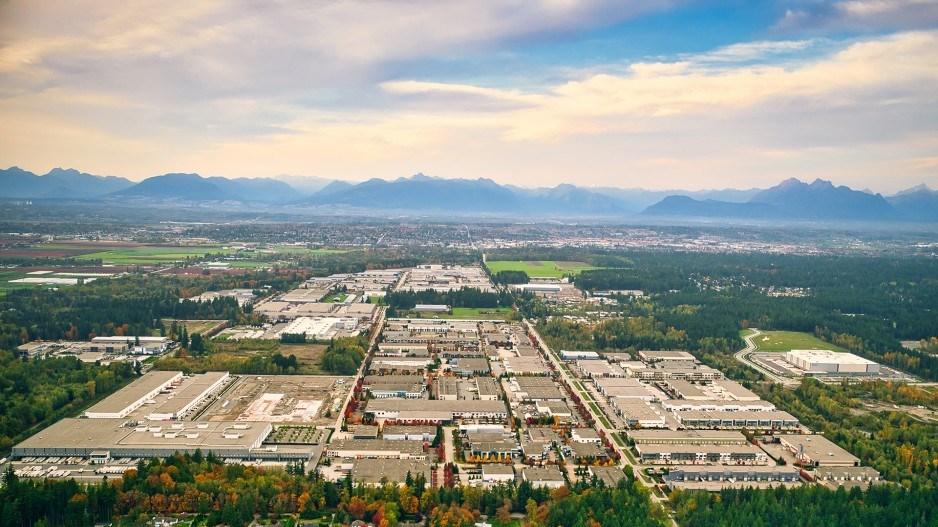
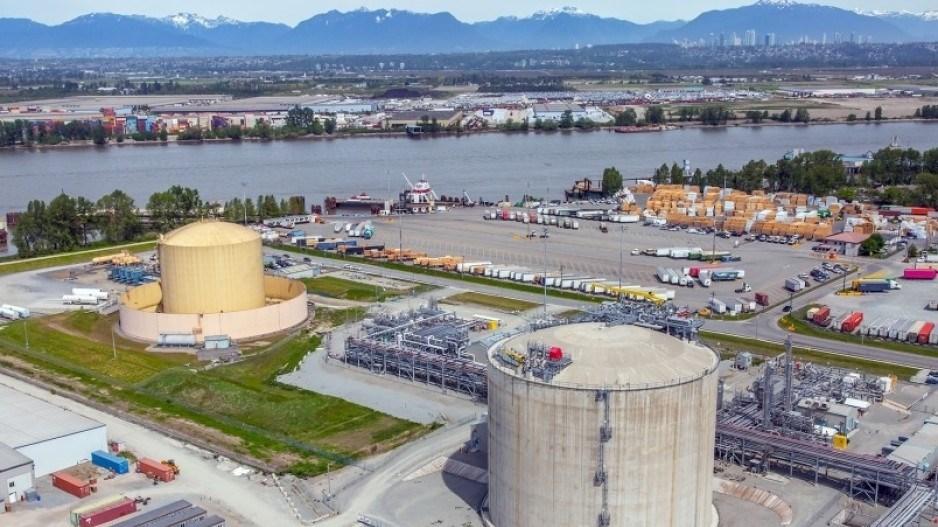
Tilbury occupies Delta's southeastern industrial corridor, bounded by Highway 17, the Fraser River South Arm, and the eastern boundary of the City of Delta. The submarket has historically been defined by three things: large contiguous industrial parcels (some of the largest remaining in Metro Vancouver), direct Highway 99 / Massey Tunnel access, and the operational ecosystem built around heavy industrial, bulk commodity, and trans-shipment uses. What's changed over the past decade is the addition of a fourth defining feature - the FortisBC Tilbury LNG facility, which has become the gravitational center of the corridor's economic and real estate trajectory.
Why the FortisBC LNG Terminal Matters
The Tilbury LNG terminal began commercial operations in 1971 as a peak-shaving facility for BC's natural gas system. FortisBC has been progressively expanding capacity since 2014, with the Tilbury Phase 1B expansion completed in 2018 and Phase 2 - adding LNG export capacity - having received environmental certification and now progressing through final investment and construction stages. For industrial real estate, the implications are second-order: the terminal itself occupies a defined footprint, but the supporting industrial activity around it (specialty contractors, marine services, fabrication, bulk handling, logistics) drives demand for surrounding industrial space at a rate that's hard to match anywhere else in Metro Vancouver. The LNG corridor effect has been measurable in Tilbury land values, tenant inquiry volume, and lease economics over the past three years.
Industrial Real Estate Effects
Land values in Tilbury have appreciated meaningfully through the FortisBC expansion cycles. Industrial-zoned parcels in the immediate corridor have traded at meaningful premiums to comparable Delta inventory outside the Tilbury sub-corridor. The supply side is genuinely constrained - large contiguous parcels rarely turn over, and most remaining inventory is held by long-term owners with no near-term disposition plans. The most active land transactions have been smaller infill parcels and owner-occupier acquisitions by businesses specifically seeking corridor presence. New industrial construction has been concentrated in build-to-suit transactions for energy-adjacent and trans-shipment tenants, with limited speculative inventory.
The Tenant Profile Attracted to the Corridor
Tilbury's tenant base has shifted alongside the LNG expansion. The legacy occupier mix - heavy industrial, bulk commodity handling, marine services, trans-shipment - has been joined by energy services and supporting industrial trades that specifically benefit from corridor proximity. Specialty contractors supporting FortisBC's expansion programs, LNG-adjacent equipment suppliers, marine bunkering services, and specialty bulk handling have all expanded their corridor presence. The result: Tilbury's tenant mix is more specialized and less interchangeable with general Metro Vancouver industrial demand than at any point in the corridor's history. This matters for both owners and occupiers - Tilbury is genuinely different from comparable Delta or Surrey inventory, and the difference shows up in pricing.
Lease Economics in 2026
Industrial lease rates in Tilbury trade around the Delta average of about $17.91 PSF net asking (Q2 2026 brokerage reports), varying with building specifications, with specialty heavy industrial and energy-adjacent product at the upper end of the range and standard distribution toward the lower. Operating costs run about $6 to $6.50 PSF. The total occupancy cost is comparable to other Delta submarkets but the optionality embedded in the corridor - particularly for tenants with growth horizons and operational profiles compatible with the LNG ecosystem - is genuinely different. Owner-user acquisitions have traded at land values that reflect the structural scarcity and corridor optionality.
Outlook Through 2030
The Tilbury industrial outlook through 2030 is fundamentally tied to the FortisBC Phase 2 LNG export project timeline. Final investment decision and construction phasing will materially shape land values and tenant demand in the corridor. The structural supply constraint is unlikely to ease - large contiguous industrial parcels in Tilbury are essentially closed inventory. For owners holding industrial real estate in the corridor, the medium-term trajectory remains positive. For occupiers seeking corridor presence, early engagement is essential - quality inventory is scarce, off-market opportunities are the norm, and timing depends on landowner relationships rather than predictable supply.
What This Means for Tenants Considering Tilbury
Industrial tenants evaluating Tilbury should be clear about why corridor presence specifically matters to their operations. The submarket commands premiums versus comparable Delta inventory in submarkets like Annacis Island, Tsawwassen-adjacent industrial, and the broader Delta industrial market. If your operational profile genuinely benefits from corridor proximity - energy-adjacent operations, heavy industrial fabrication, marine services, bulk handling - Tilbury is worth the premium and the longer site-search timeline. If your operations are general distribution, warehousing, or manufacturing without specific LNG-corridor benefit, comparable inventory at meaningfully lower cost is available in Surrey, Port Kells, or other Delta sub-areas.
What This Means for Owners
Industrial property owners in the Tilbury corridor should evaluate disposition timing carefully. The structural scarcity supports continued appreciation, but disposition into corridor demand peaks (typically tied to FortisBC expansion announcements) versus broader market disposition produces materially different outcomes. Confidential off-market disposition to corridor-specific buyers often delivers stronger economics than broad institutional marketing, given the specialized buyer pool. Owners considering hold-and-redevelop strategies should evaluate the energy-adjacent build-to-suit pathway, which has produced meaningful land lift on adjacent corridor parcels.