What Annacis Island Is
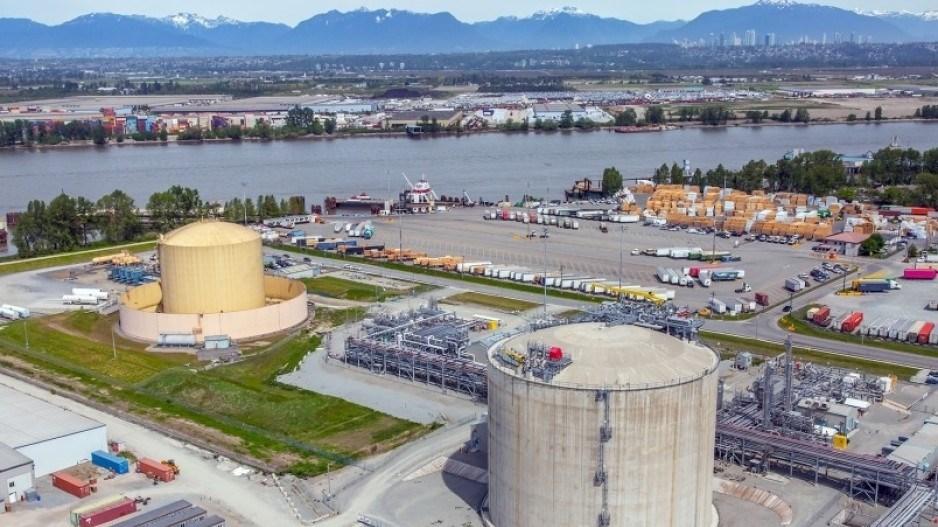
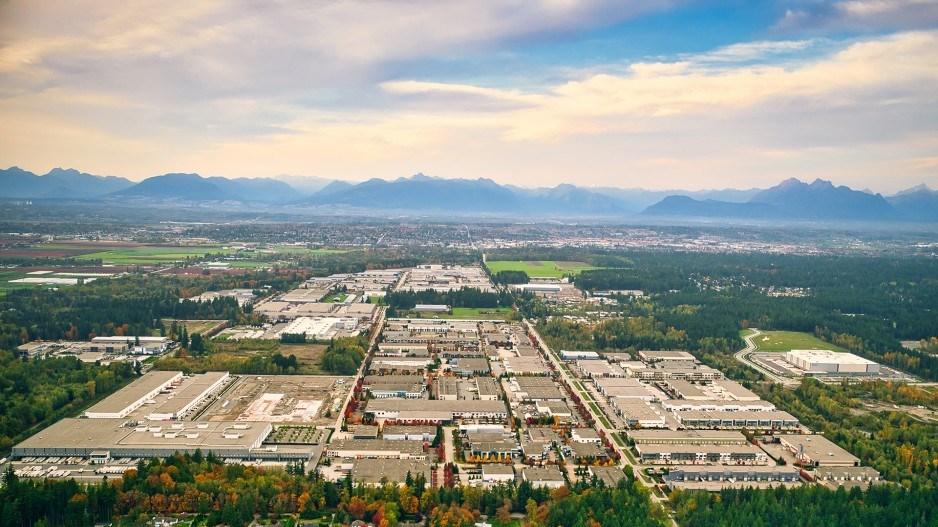
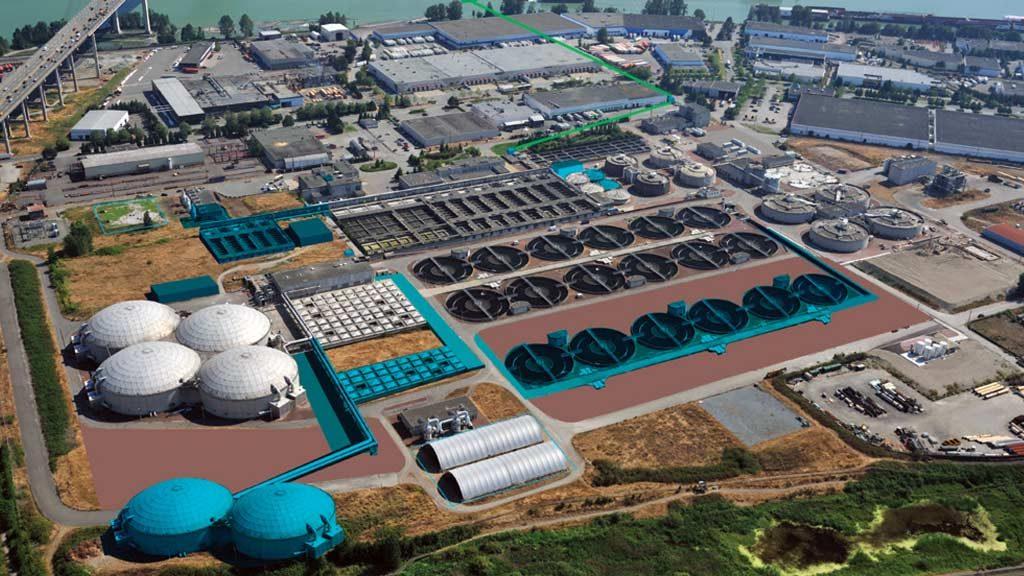
Annacis Island sits at the confluence of the Fraser River North and South Arms in Delta, accessible via the Annacis Highway from Highway 91 and connected by the Alex Fraser Bridge to the broader Lower Mainland network. The island is approximately 800 hectares of industrial-zoned land - making it one of the largest dedicated heavy industrial environments in North America. Unlike most Metro Vancouver submarkets where industrial uses interface with residential or commercial neighbours, Annacis Island is essentially 100% industrial, with the operational ecosystem this implies: heavy truck flows around the clock, marine industrial activity along the perimeter, large-yard tenants, and a tenant base specifically suited to heavy industrial operations.
The Heavy Industrial Concentration
Annacis Island hosts steel fabricators, marine services, industrial coatings, bulk commodity handlers, heavy manufacturing, trans-shipment operators, and specialty industrial trades that simply cannot operate in lighter industrial environments. The clustering effect is meaningful: refrigerated trucking servicing the island, fabrication suppliers, specialty marine services, heavy-haul trucking, and supporting trades have all concentrated their operations on or near the island. The result is an operational ecosystem that's genuinely difficult to replicate. Tenants who need heavy industrial neighbours (operational compatibility, shared truck routing, specialty equipment proximity) find Annacis Island essentially irreplaceable in the region.
Marine and Rail Access
Direct Fraser River frontage is one of Annacis Island's most defining characteristics. Marine-served tenants - bulk commodity handlers, trans-shipment operators, marine services - occupy a meaningful share of the island's perimeter sites. CN rail service extends onto the island via the Annacis branch, supporting rail-served bulk and heavy industrial operations. This combination - marine plus rail plus heavy industrial zoning plus dense compatible neighbours - is what makes Annacis Island fundamentally different from other Metro Vancouver heavy industrial submarkets like Tilbury, the North Shore, or specific Burnaby sub-areas. Each of those submarkets shares some characteristics, but none combines all of them at Annacis Island's scale and concentration.
The Tenant Base in 2026
Annacis Island's tenant base has remained remarkably stable over the past decade, with long-tenured operators dominating the larger sites and steady turnover at the smaller end. The tenant categories most heavily represented include heavy manufacturing and steel fabrication, marine services and shipbuilding, industrial coatings and surface treatment, bulk commodity handling and storage, trans-shipment and freight forwarding, and yard-intensive industrial trades. New tenant entries to the island in recent years have typically required either large yard configurations, specific operational compatibility with heavy industrial neighbours, or operational profiles that specifically benefit from marine or rail access.
Lease Economics and Land Values
Industrial lease rates on Annacis Island trade around the Delta average of about $17.91 PSF net asking (Q2 2026 brokerage reports), with significant variability based on specifications. Heavy industrial buildings with yard, crane capacity, or rail service trade above the upper end. Older standard industrial trades toward the lower. Specialty product - marine-serviced, rail-served, or large-yard configurations - frequently transacts off-market at custom-negotiated economics that don't appear in published comparables. Land values for owner-user acquisition or development have appreciated through the cycle, supported by the structural scarcity of comparable heavy industrial environments anywhere in Metro Vancouver. New construction on the island is rare - the build-out is mature and most growth happens through site intensification or repositioning of existing sites.
Why Inventory Rarely Lists Publicly
One of the operational realities of Annacis Island industrial real estate is that most quality leases and sales never reach public listing platforms. The submarket is relationship-driven in a way that few other Metro Vancouver submarkets approach. Long-term owners deal directly with known buyer pools when they decide to transact. Tenant requirements get matched through landlord networks before broader marketing. This dynamic creates two important consequences: first, operators with genuine Annacis Island requirements need broker relationships with active corridor presence to surface opportunities; second, valuation for owners considering disposition benefits substantially from confidential outreach to the specialized buyer pool rather than broad institutional marketing.
Considerations for Tenants Evaluating Annacis Island
Operators evaluating Annacis Island should be clear about why heavy industrial specifically matters to their operations. If your operational profile requires yard, rail, marine access, heavy truck flows, or compatibility with heavy industrial neighbours, Annacis Island delivers operational density that's essentially impossible to replicate elsewhere. If your operations are general distribution, light manufacturing, or warehousing without specific heavy industrial requirements, you'll pay premium pricing for ecosystem benefits you don't capture. Bridge congestion at peak hours is a real operational factor - modelling cross-river truck flows is essential for sites where time-sensitive logistics matter.
Considerations for Owners
Industrial property owners on Annacis Island holding stabilized assets are in one of the most defensible positions in Metro Vancouver industrial. The structural supply constraint supports continued value through the cycle. Disposition decisions should account for the specialized buyer pool - pre-marketing to known heavy industrial buyers through broker relationships typically delivers stronger economics than broad institutional marketing. Owner-occupiers considering hold-versus-sale should model the difficulty of replacement: if your operations require Annacis Island specifically, the replacement cost of comparable real estate is substantial.
2026 Outlook
The 2026 outlook for Annacis Island industrial is shaped primarily by the structural supply constraint rather than cyclical demand factors. Inventory turnover remains low. New construction is limited. Tenant demand for heavy industrial operating profiles continues to exceed available inventory. For owners, this supports continued value defense. For tenants, this means early engagement, broker-relationship-driven site sourcing, and acceptance of premium pricing for ecosystem positioning. The submarket is not where rapid lease economics improvements happen; it's where structurally defensive industrial real estate compounds value over decades.