Industry Vertical
Manufacturing.
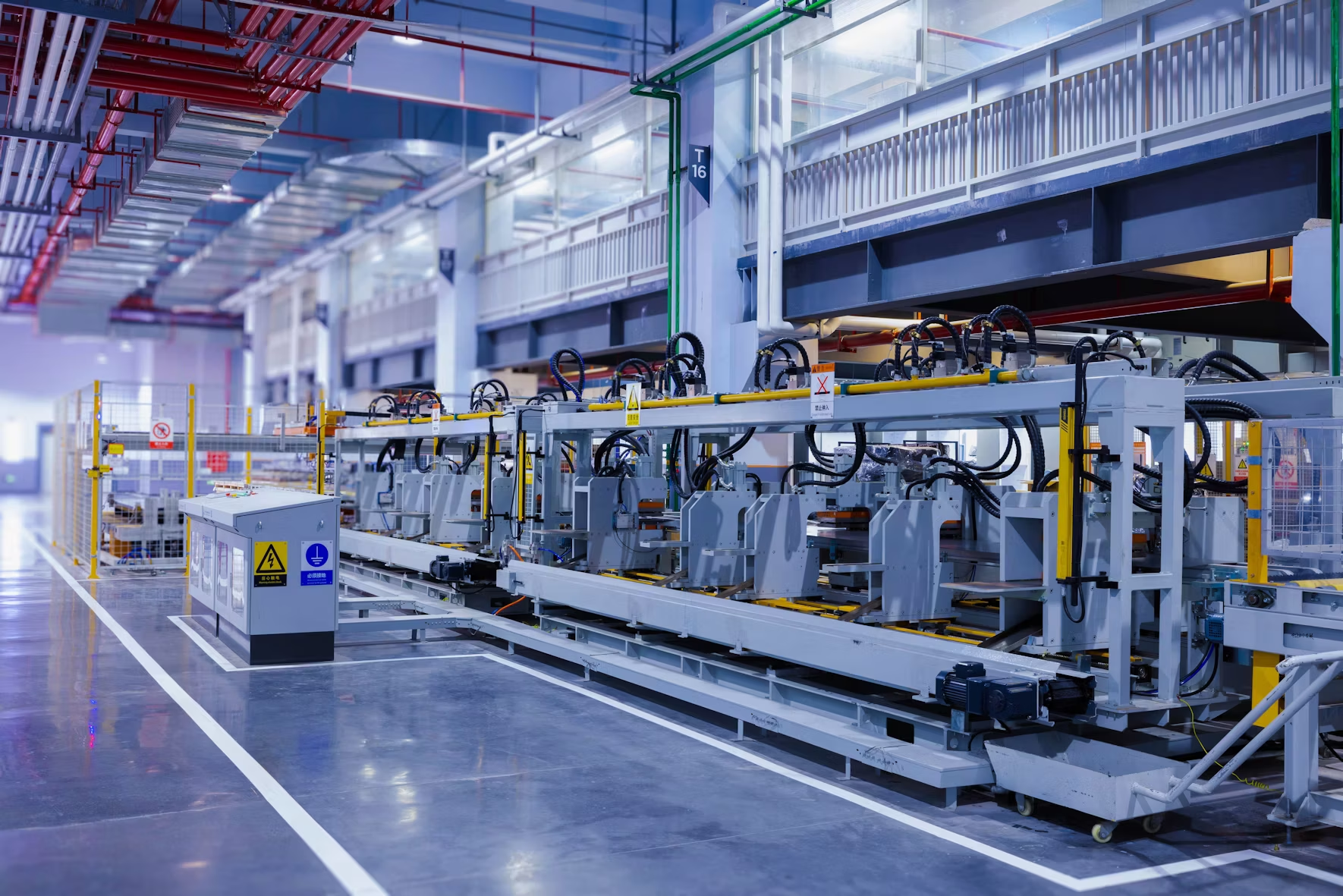
Industrial space built around power, crane, and process needs.
Got a manufacturing question? Talk to Samuel directly. No gatekeepers, no forms required.
Overview
Manufacturing real estate overview
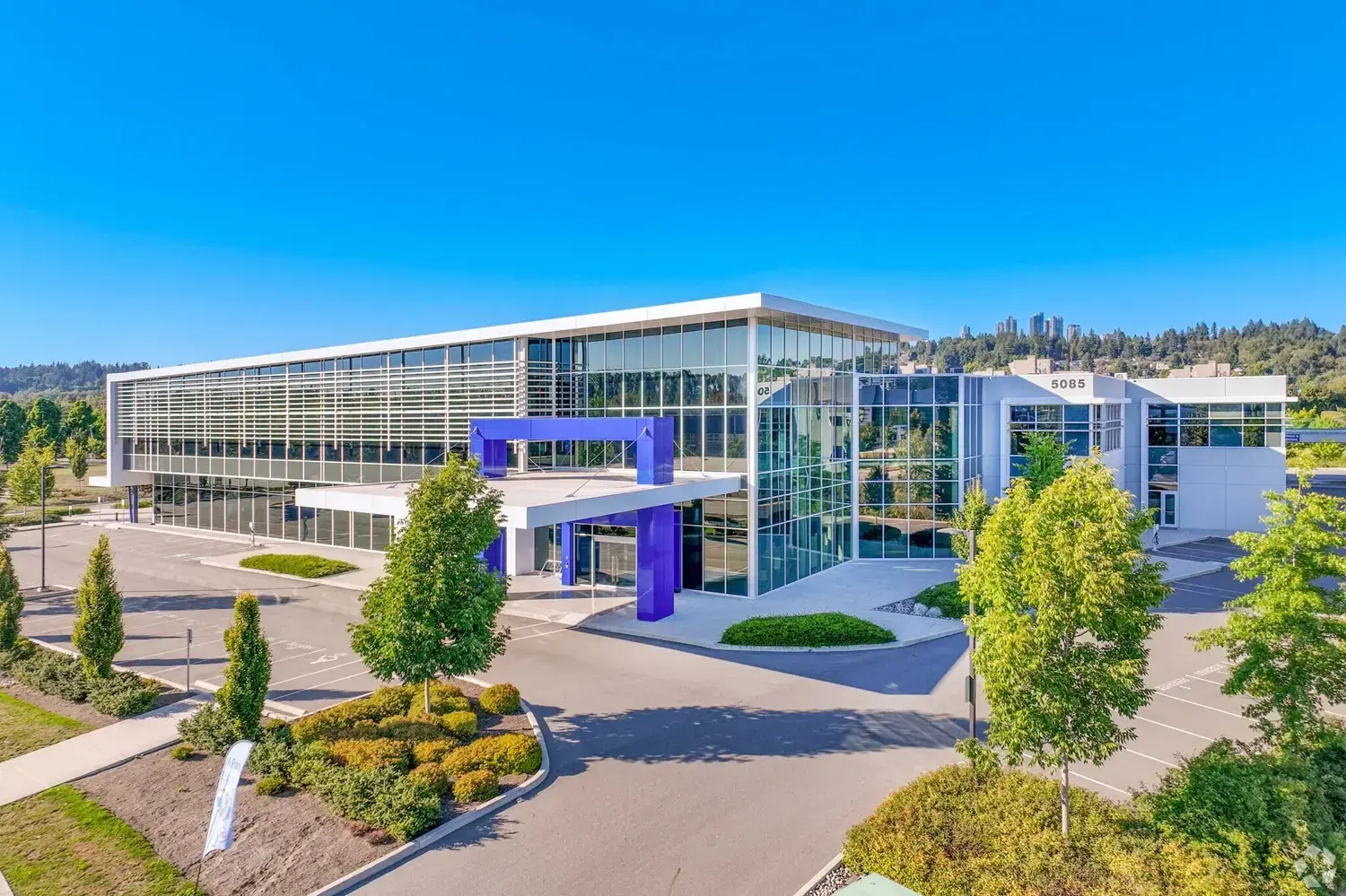
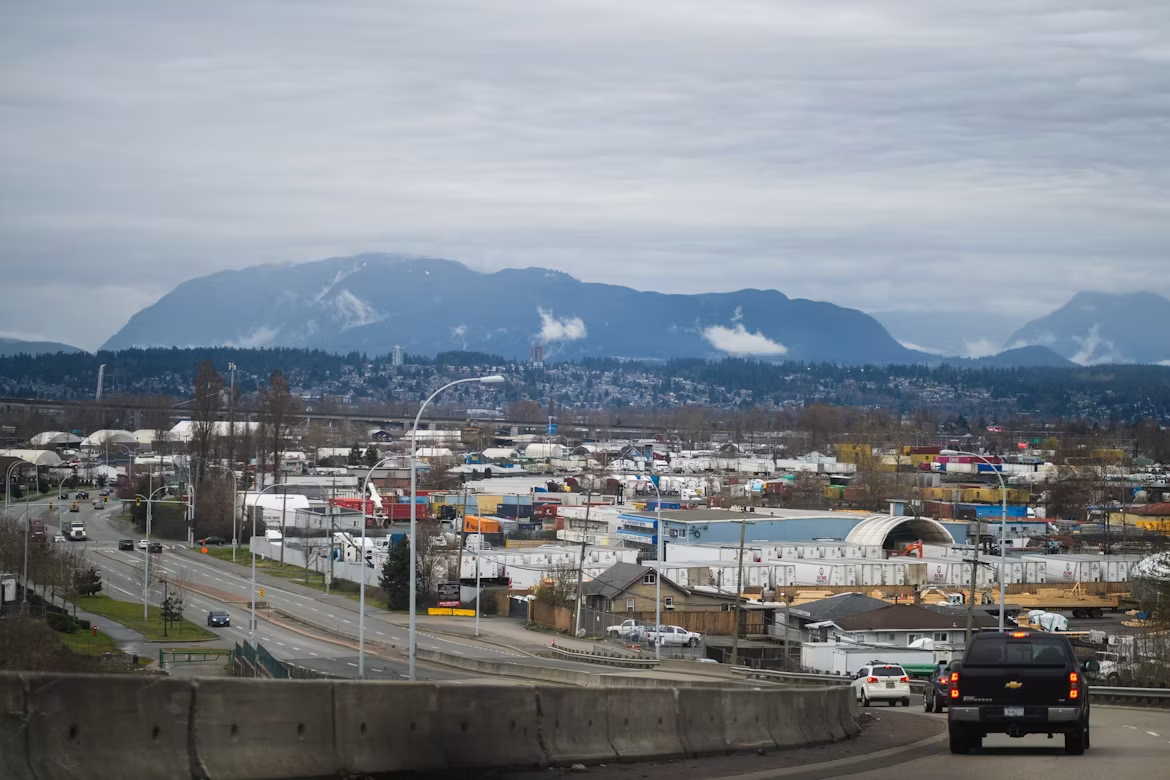
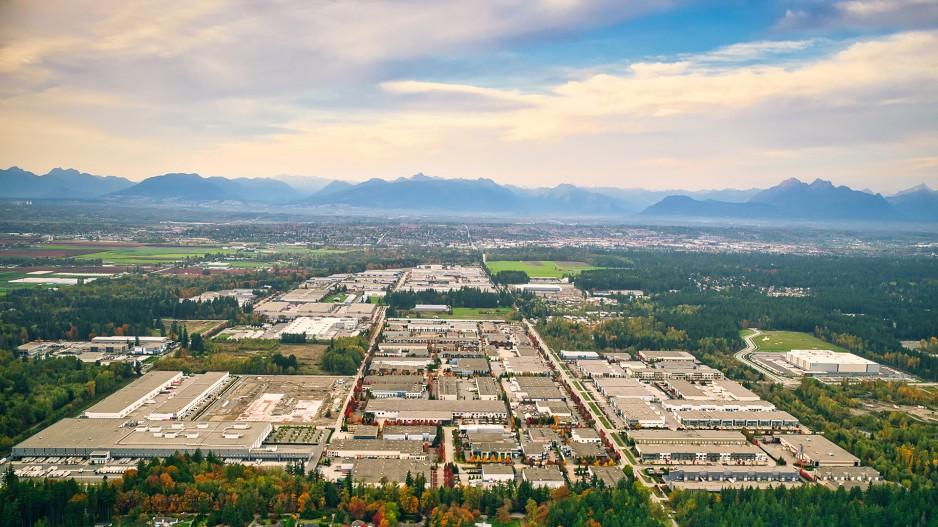
Manufacturing operators require facility-specific real estate that supports power capacity, process infrastructure, structural loading, and skilled labour catchment. Metro Vancouver's manufacturing base concentrates in Burnaby (light manufacturing, biopharma, electronics), Delta and Annacis Island (heavy industrial, fabrication), Surrey (modern manufacturing), and Abbotsford (food processing, aviation-adjacent). Site selection requires translating process requirements into building specifications and matching against available inventory.
Real Estate Requirements
What this industry needs.
- Power capacity matched to peak load requirements
- Structural roof loading for overhead crane installation
- Process infrastructure (compressed air, water, drainage, ventilation)
- Floor loading specifications for heavy equipment
- Yard and outdoor storage where required
- Skilled labour catchment for the production profile
Considerations
What to weight in site selection.
Manufacturing real estate transactions involve longer lead times than general distribution - power upgrades, process infrastructure, and structural modifications take meaningful capital and time. Build-to-suit is frequently the right answer for operators with specific requirements. Sale-leaseback can provide capital for operating expansion while preserving facility continuity.
Why Me
Why work with me
Manufacturing site selection starts with the process: peak power load, floor loading, crane capacity, and the infrastructure the line needs. I focus exclusively on industrial and can help translate those requirements into a building specification, then check inventory in Burnaby, Delta, Surrey, and Abbotsford against it, including space that has not been listed publicly.
Frequently Asked Questions
Manufacturing, answered.
How do I evaluate sites for a manufacturing operation?
Evaluation should start with the process requirements - peak power load, floor loading, process infrastructure, structural needs - and translate to building specifications. Compare available inventory against the specifications, prioritizing buildings that meet requirements without significant retrofit. For specialty requirements, build-to-suit may be the right answer.
Can existing warehouse buildings be converted to manufacturing use?
Conversion is possible but often expensive. Power upgrades, process infrastructure installation, and structural modifications carry meaningful capital and timeline. Conversion makes sense when the building location, size, and base specifications fit and the process requirements are modest. Heavy industrial or specialty process applications typically don't convert cost-effectively.
Where does advanced manufacturing concentrate in Metro Vancouver?
Burnaby (Big Bend, Lake City, Still Creek) anchors advanced manufacturing including biopharma, electronics, and specialty materials. Surrey hosts modern light manufacturing in Campbell Heights and Newton. Richmond hosts food processing and specialty manufacturing. The submarket fit depends on labour requirements, supplier relationships, and operational profile.
How does sale-leaseback work for manufacturing operators?
Manufacturing owner-occupiers can monetize their real estate while retaining facility occupancy, deploying capital into business expansion, equipment investment, or debt restructuring. SLB lease structures preserve operational continuity with 15 to 20 year terms. Buyer interest depends on credit quality, lease structure, and facility specifications.