Industry Vertical
E-Commerce & Direct-to-Consumer.
Pick-and-pack, returns, and last-mile distribution.
Got a e-commerce & direct-to-consumer question? Talk to Samuel directly. No gatekeepers, no forms required.
Overview
E-Commerce & Direct-to-Consumer real estate overview
E-commerce and direct-to-consumer operators have driven the largest secular growth in Metro Vancouver industrial demand over the past decade. Site requirements span dedicated fulfillment centers (often 50,000 to 200,000+ SF), multi-purpose facilities combining fulfillment with returns processing, and last-mile facilities optimized for vehicle-based delivery. Building specifications depend heavily on SKU profile, throughput pattern, and customer geography.
Real Estate Requirements
What this industry needs.
- Pick-and-pack operations with appropriate clear height and racking
- Returns processing capacity (often significant percentage of throughput)
- Pack-station infrastructure and shipping zone configuration
- Power capacity for conveyance and packaging equipment
- EV charging infrastructure for last-mile fleet vehicles
- Loading configuration matched to inbound (trailer) and outbound (van) flows
Considerations
What to weight in site selection.
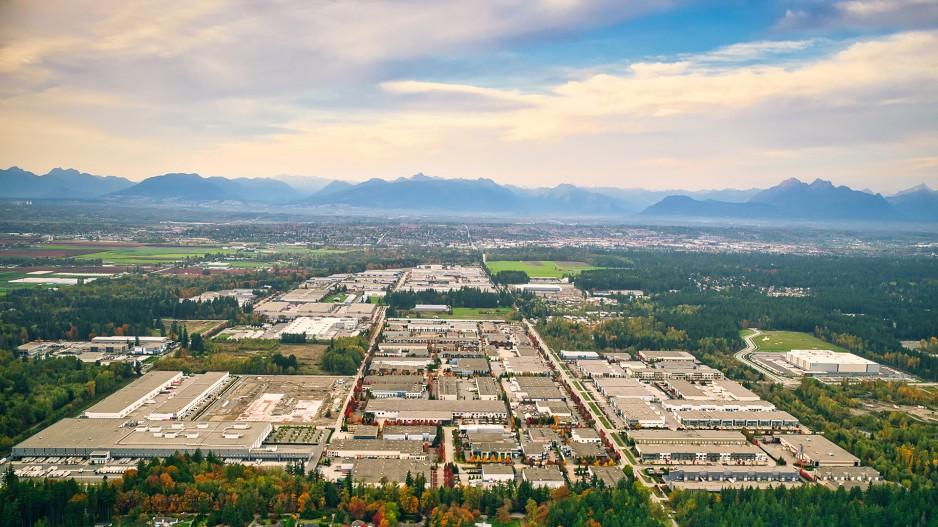
E-commerce operators face site selection trade-offs between fulfillment efficiency and customer proximity. Large dedicated fulfillment centers favour Surrey, Richmond, and Port Kells. Multi-purpose facilities with combined fulfillment and returns frequently work in Burnaby and Richmond. Last-mile distribution favours sites closer to population density. Network modeling should drive submarket selection.
Why Me
Why work with me
E-commerce space is sized by throughput, pick-and-pack rates, returns volume, and how you handle last-mile delivery. I focus exclusively on industrial and track large-format and pre-leasing availability across Surrey, Richmond, Burnaby, and Port Kells. I can help you match a building and loading configuration to your order profile and customer geography, and flag power and EV charging capacity early.
Frequently Asked Questions
E-Commerce & Direct-to-Consumer, answered.
How do I size an e-commerce fulfillment center?
Sizing should account for inventory holding (SKU count and replenishment frequency), pick-and-pack workflow space, packaging and shipping zone, returns processing, and growth horizon. A typical mid-volume operator running 200 to 500 orders per day needs 25,000 to 60,000 SF; high-volume operators (1,000+ orders per day) typically need 75,000+ SF. Operational design should precede space sizing.
Should returns be processed in the same facility as fulfillment?
Combined facilities provide operational efficiency and capital efficiency but require larger footprints and careful flow design. Separate returns facilities can simplify workflow and concentrate returns expertise but add network complexity. The right answer depends on returns volume, processing requirements, and the operator's broader network design.
Where should an e-commerce operator locate for Lower Mainland distribution?
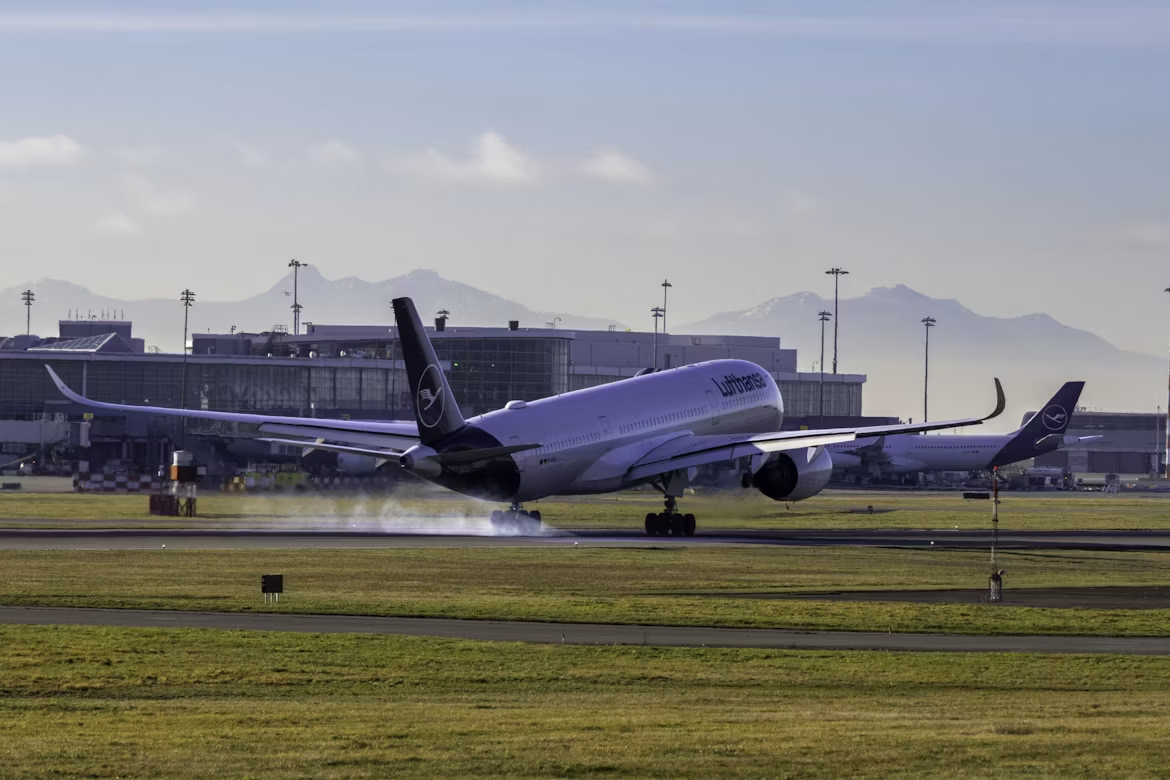
Surrey, Richmond, and Burnaby work well for Lower Mainland-wide distribution depending on customer geography and fulfillment model. Surrey offers lower lease rates and modern large-format inventory. Richmond offers port and airport adjacency. Burnaby offers proximity to the Vancouver core. Network modeling should drive the decision.
How does last-mile delivery integrate with fulfillment site selection?
Operators running dedicated last-mile delivery from fulfillment facilities need sites with adequate vehicle parking, charging infrastructure (for EV transition), and proximity to delivery markets. Operators using third-party parcel carriers (FedEx, UPS, Purolator) can locate further from population density. The decision depends on the operator's last-mile model.