Industry Vertical
3PL & Logistics.
Large-format distribution for contract logistics operators.
Got a 3pl & logistics question? Talk to Samuel directly. No gatekeepers, no forms required.
Overview
3PL & Logistics real estate overview
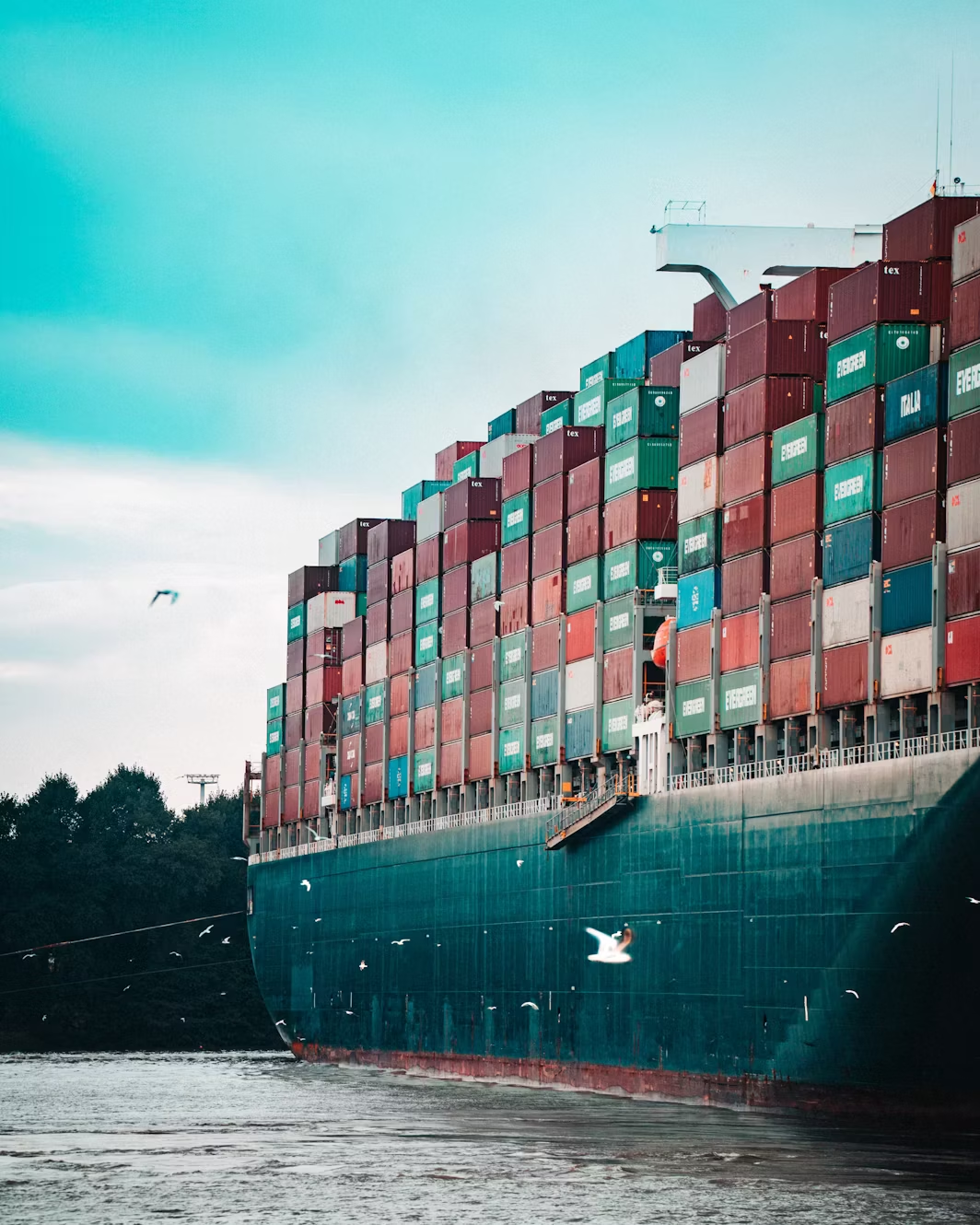
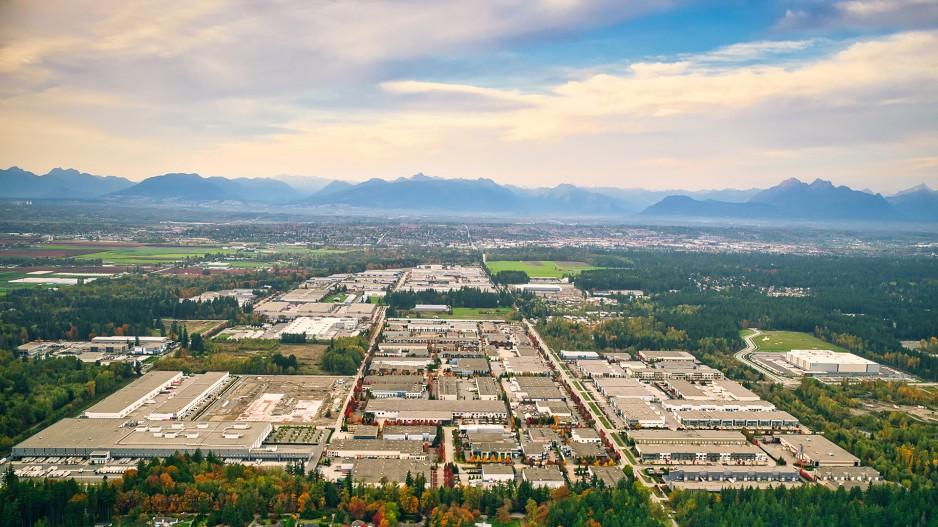
Third-party logistics operators are among the most active industrial tenants in Metro Vancouver, driven by retail distribution growth, e-commerce expansion, cold-chain consolidation, and cross-border flows. Site selection prioritizes building specifications for high throughput, labour catchment for warehouse and operations staff, and proximity to the customer geography being served. Lease structures often accommodate multi-client volatility while supporting tenant investment in material handling systems.
Real Estate Requirements
What this industry needs.
- Modern clear height (32 to 40 ft) for racking flexibility
- High dock-door ratios for crossdock or high-turnover operations
- Truck court depth (130 to 185 ft) for trailer staging
- Wide column spacing for material handling system flexibility
- Floor flatness specifications for AS/RS or VNA systems
- Power capacity for material handling and EV fleet transition
Considerations
What to weight in site selection.
3PL operators face site selection trade-offs between customer proximity, labour cost, and real estate cost. Multi-client portfolios add network optimization complexity. Lease structures should balance tenant commitment (to amortize TI and material handling investment) with operational flexibility (to absorb client churn). Cross-border 3PL operators frequently benefit from Surrey submarkets near the US border crossings.
Why Me
Why work with me
3PL site selection is an operations problem first. The right building, submarket, and lease structure depend on your network, client mix, and growth horizon. I focus exclusively on industrial and track large-format availability and pre-leasing activity across Surrey, Richmond, Delta, and the rest of Metro Vancouver. I can help you weigh customer proximity against labour and real estate cost, and structure a lease that leaves room for client churn.
Frequently Asked Questions
3PL & Logistics, answered.
Where should a 3PL locate in Metro Vancouver?
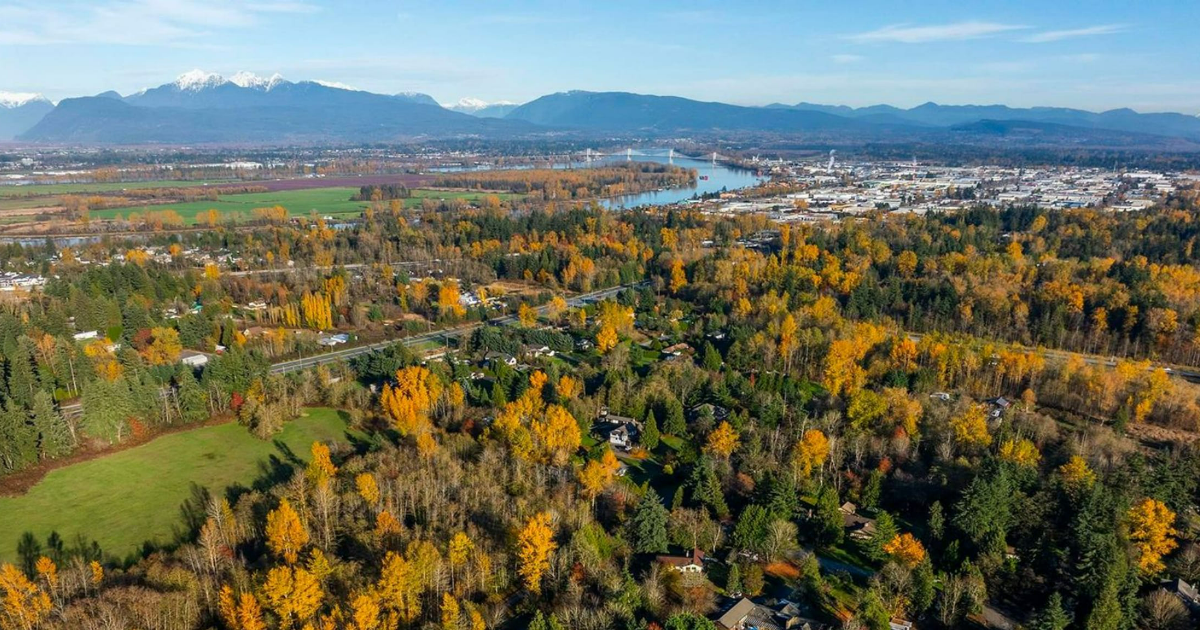
Submarket selection depends on the customer geography being served. For Vancouver-core focused distribution, Burnaby and Richmond work best. For Lower Mainland-wide distribution, Surrey and Richmond are strong. For cross-border flows, Surrey (near Pacific Highway and Aldergrove crossings) and Delta (near Roberts Bank) lead. Network modeling should drive the decision.
What lease term works best for a 3PL operator?
Lease terms typically run 7 to 10 years, balancing commitment to amortize TI and material handling investment with operational flexibility for client churn. Operators with stable long-term clients can commit to longer terms in exchange for better rent. Operators with volatile client mix may negotiate shorter terms with renewal options or break rights.
Can I sub-lease space to handle client overflow?
Sub-leasing for client overflow is typically permitted under most institutional lease structures, subject to landlord consent and tenant compliance with use clauses. Operators planning ongoing sub-leasing arrangements should negotiate clear sub-leasing rights upfront. Compliance with sub-tenant approval processes is standard.
How important is rail service for 3PL real estate?
Rail service matters for specific 3PL profiles - bulk commodity handling, lumber, construction materials, food and beverage with rail-served clients. For general consumer goods, parcel, and e-commerce 3PL, rail typically doesn't drive site selection. Operators should identify rail needs upfront and source rail-served sites specifically if relevant.