Industry Vertical
Ports & Marine Logistics.
Terminal-adjacent space for drayage, container, and trans-shipment operators.
Got a ports & marine logistics question? Talk to Samuel directly. No gatekeepers, no forms required.
Overview
Ports & Marine Logistics real estate overview
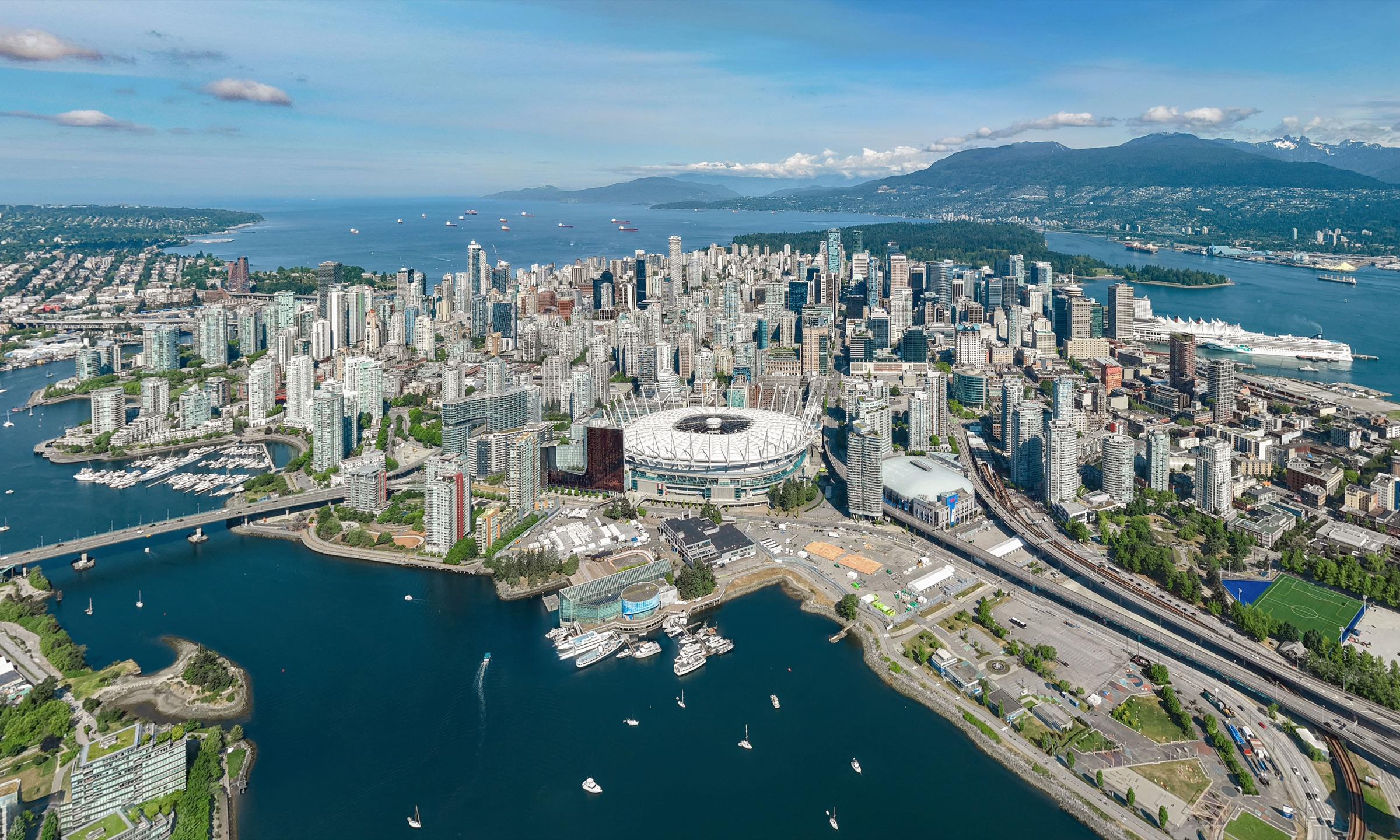
The Port of Vancouver is the largest port in Canada and the third largest in North America by tonnage, moving container, bulk, breakbulk, automobile, and energy commodity flows through terminals at Roberts Bank (Deltaport, Westshore), Centerm and Vanterm in Burrard Inlet, the North Shore grain terminals, and Annacis Island marine industrial. Port-related operators - terminal services, drayage and trucking, container yards, trans-shipment warehouses, customs brokers, and specialty marine services - require real estate with specific terminal-gate proximity, truck staging capacity, container handling space, and operational compatibility with 24/7 port flows.
Real Estate Requirements
What this industry needs.
- Terminal-gate proximity for drayage cycle efficiency
- Container yard capacity and stacking heights
- Heavy truck circulation and trailer staging
- Reefer plug-in capacity for refrigerated container flows
- CBSA bonded warehouse capability where applicable
- 24/7 operational compatibility with surrounding uses
- Rail-served sites for intermodal trans-shipment
Considerations
What to weight in site selection.
Port-adjacent operators face submarket-specific trade-offs between terminal proximity (Roberts Bank for Deltaport drayage, Burrard Inlet for Centerm/Vanterm, North Shore for grain terminals) and the wider availability of larger industrial footprints. Drayage congestion at peak terminal hours shapes site selection, and Truck Licensing System (TLS) requirements affect operational planning. Bonded warehouse capability requires CBSA approval and specific facility design. Capex requirements for specialty container handling, reefer infrastructure, and heavy yard surfacing are meaningful and should be modeled early.
Why Me
Why work with me
Port and marine logistics is one of the more specialized corners of Metro Vancouver industrial. Terminal-gate proximity, truck staging, container yard capacity, and CBSA bonded status all shape what a site is worth to a drayage or trans-shipment operator. I focus exclusively on industrial and work the Annacis Island, Tilbury, Roberts Bank, and Burrard Inlet port-adjacent submarkets directly. Most of this inventory is tightly held, so I put time into landlord and operator outreach rather than waiting for listings.
Frequently Asked Questions
Ports & Marine Logistics, answered.
Where do drayage operators locate in Metro Vancouver?
Drayage operators serving Roberts Bank concentrate in Delta (Tilbury, Annacis Island) and parts of Surrey for cycle efficiency to Deltaport. Drayage serving Centerm and Vanterm typically locates in east Vancouver, Burnaby, and North Shore. Terminal-gate proximity directly affects cycles-per-day productivity, making location one of the highest-leverage operational decisions in the business.
What's required for a CBSA bonded warehouse facility?
Bonded warehouse status requires CBSA (Canada Border Services Agency) approval, including facility design meeting customs requirements (secured perimeter, monitored access, defined storage and processing areas), compliance with CBSA reporting systems, and ongoing audit readiness. Application timelines are meaningful, and not all industrial sites can accommodate the requirements. Operators planning bonded facilities should evaluate compliance design early in site selection.
Where does container yard inventory locate near the Port of Vancouver?
Container yard capacity concentrates in Delta (Annacis Island, Tilbury), south Burnaby, and parts of Vancouver and Richmond. Capacity is structurally constrained - most container yard sites are tightly held by long-term operators or landlords, and new container yard development faces zoning and neighbor compatibility challenges. Off-market sourcing through landlord relationships is essential.
How does the new Roberts Bank Terminal 2 affect port-adjacent real estate?
The proposed Roberts Bank Terminal 2 expansion would meaningfully increase container throughput at Deltaport, with corresponding demand effects on drayage, container yard, and trans-shipment real estate in Delta. The project has been through extended review processes; operators evaluating long-term real estate positions in Delta should track project status as it materially shapes the demand outlook for the corridor.