Industry Vertical
Life Sciences & Biotech.
Lab-ready industrial for biotech, medtech, and translational research.
Got a life sciences & biotech question? Talk to Samuel directly. No gatekeepers, no forms required.
Overview
Life Sciences & Biotech real estate overview
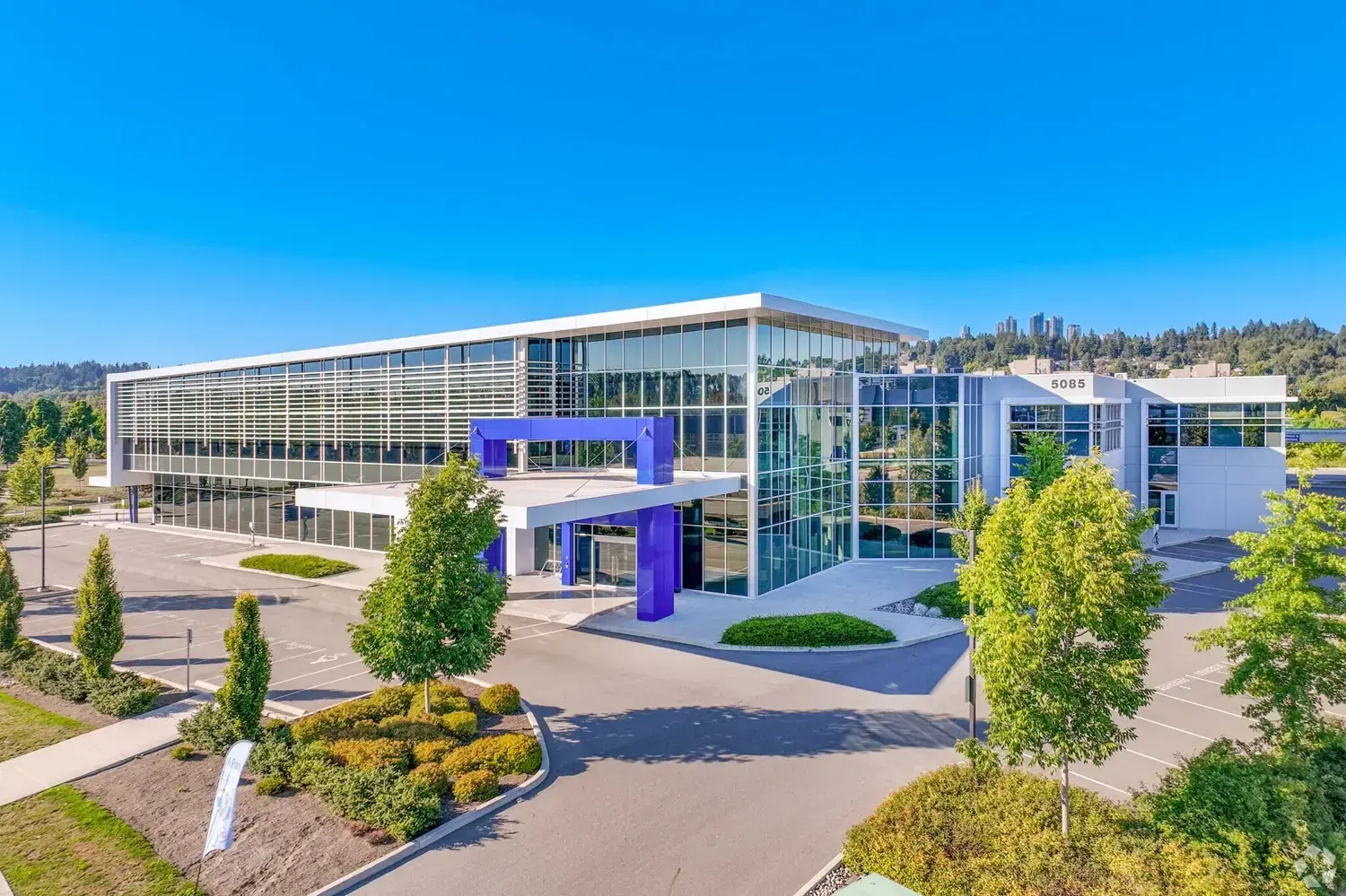
Life sciences and biotech occupiers in Metro Vancouver work with a tight inventory of purpose-built lab and GMP space concentrated in Burnaby's Discovery Park, Vancouver's Mount Pleasant and False Creek Flats clusters, and emerging corridors in Richmond and Surrey. Site selection requires translating scientific program - containment level, instrumentation, regulatory pathway, headcount horizon - into specific building requirements. Lease structures accommodate the substantial tenant capex required for fit-out and the long timelines that biotech operating plans demand.
Real Estate Requirements
What this industry needs.
- Lab-grade HVAC: 100% outside air, BSC and fume hood exhaust capacity
- Power capacity scaled to instrumentation and incubator load
- Vibration-controlled slabs for SEM/TEM and analytical instrumentation
- Lab plumbing, RO/DI water, and waste neutralization
- Containment-ready envelope where CL2/CL3 work is planned
- GMP-ready zoning, gowning, and validated air handling for clinical-stage product
- Proximity to talent pools - SFU, UBC, BC Children's, and Fraser Health adjacencies

Considerations
What to weight in site selection.
Biotech and life sciences operators face long facility lead times - shell-to-lab conversions take 9 to 18 months, GMP build-outs longer. Funding milestones, clinical trial schedules, and regulatory filings all bear on facility timing. Lease terms typically run 7 to 15 years to amortize the substantial tenant capex required, often supported by institutional sponsorship or letter-of-credit security. Build-to-suit and sale-leaseback are realistic options for stable mid-stage operators. Earlier-stage tenants frequently benefit from incubator or pre-fitted lab inventory to bridge to a permanent facility.
Why Me
Why work with me
Lab and GMP space is technical, and a building that looks close on paper can fall short on HVAC, power, vibration, or containment. I focus exclusively on industrial and track lab-capable and GMP-ready inventory in Burnaby's Discovery Park, Vancouver's Mount Pleasant and False Creek Flats, and the Richmond and Surrey corridors. I can help translate your scientific program into building requirements, check each option against them, and structure a lease that carries the fit-out capex and lines up with funding milestones.
Frequently Asked Questions
Life Sciences & Biotech, answered.
Where do biotech and life sciences companies concentrate in Metro Vancouver?
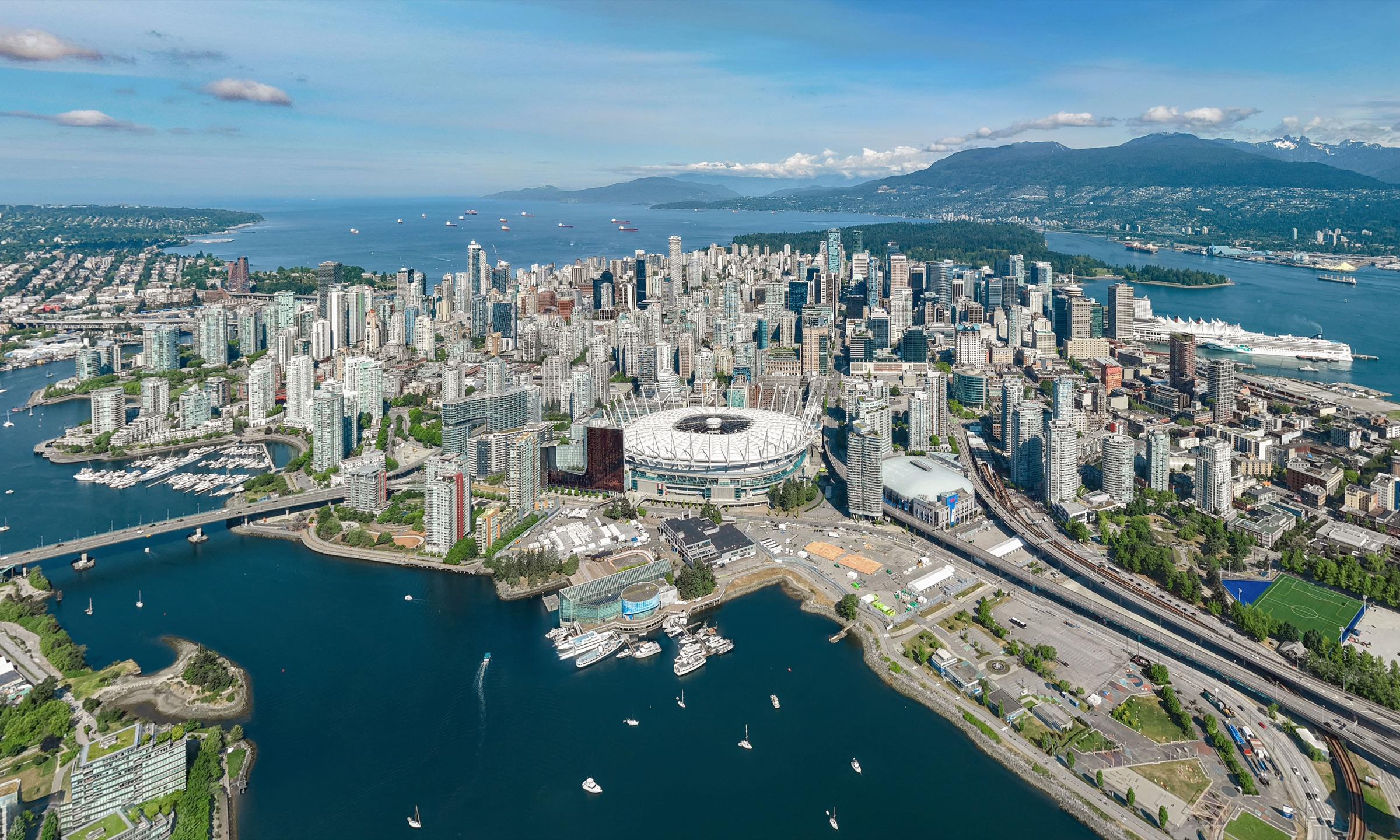
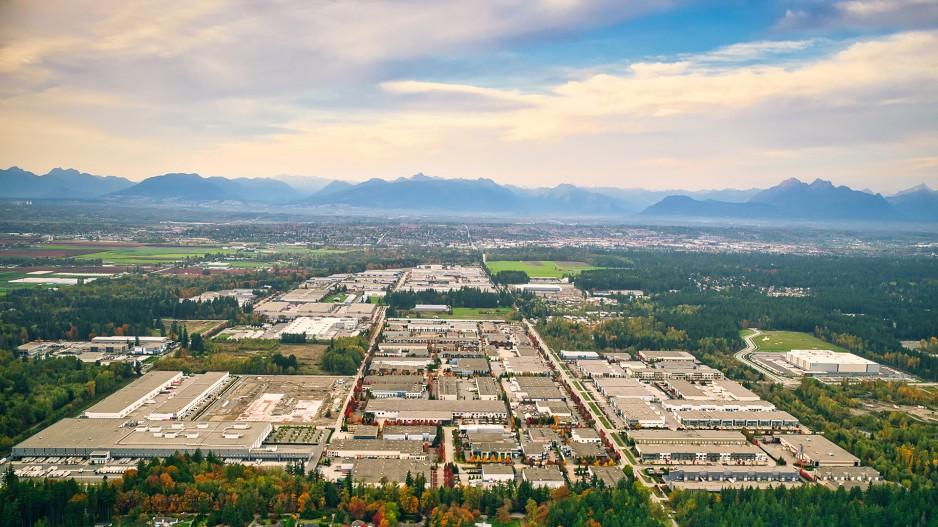
Burnaby anchors the regional cluster - Discovery Park, Big Bend, and the Still Creek corridor host the largest concentration of biotech and biopharmaceutical tenants, with decades of cluster development and SFU adjacency. Vancouver-proper hosts smaller-footprint startups, diagnostics, and translational research in Mount Pleasant, False Creek Flats, and Olympic Village. Richmond hosts diagnostics, food and agritech-adjacent research, and YVR-adjacent logistics for cold-chain biologics. Surrey's Innovation Boulevard corridor hosts medtech and digital health adjacency to SFU Surrey and Fraser Health.
What's the difference between R&D lab and GMP-ready space?
R&D lab space supports research, discovery, and preclinical development - wet bench work, analytical instrumentation, cell culture, animal work where required. GMP (Good Manufacturing Practice) space supports production of material for clinical trials and commercial supply - classified cleanrooms, validated HVAC, documented design controls, and Health Canada compliance. R&D fit-outs run $80 to $200 PSF; GMP fit-outs run $300 to $600+ PSF and require longer build-out timelines.
Can my company start in an incubator and move to a permanent lab?
Yes, and this is a common pathway. Incubator and shared-lab arrangements provide bench, equipment, and infrastructure access at lower entry cost and shorter commitment - appropriate for seed and Series A operators. Transition to permanent facility typically aligns with Series B, IND filing, or partnership milestones requiring dedicated space, IP segregation, or regulatory pathway support. The transition is a real estate event with 12+ month lead time, so planning should begin well in advance.
How does build-to-suit work for life sciences tenants?
Build-to-suit delivers purpose-designed lab or GMP facility on land controlled by landlord or developer, with tenant covenants supporting amortization of the substantial capital investment. BTS makes sense for tenants with specific facility requirements, credit or sponsor support that enables long lease commitments (typically 10 to 20 years), and timelines that accommodate the 18 to 30 month delivery cycle. The economics depend on tenant credit, lease structure, and the specifics of the program.
What lease term works for a Series B biotech taking permanent lab space?
Series B and later-stage operators typically commit to 7 to 10 year terms with expansion options. The commitment supports landlord investment in tenant improvements and aligns with operating plans through pivotal trials, regulatory submissions, and commercial readiness. Shorter terms are achievable when tenants take pre-fitted space with minimal additional improvement. Longer terms (12 to 15+ years) support GMP and BTS deals where landlord and tenant capex is more substantial.
How important is talent catchment for biotech site selection?
Highly important. Vancouver biotech draws talent from UBC, SFU, BCIT, BC Cancer, BC Children's, and the broader Vancouver research ecosystem. Sites that compromise commute access to this talent pool - for instance, distant Fraser Valley locations for early-stage R&D operators - face recruiting headwinds. The Burnaby and Vancouver-proper clusters benefit from established commute patterns and proximity to research institutions. Surrey's Innovation Boulevard supports a growing south-of-Fraser talent base.