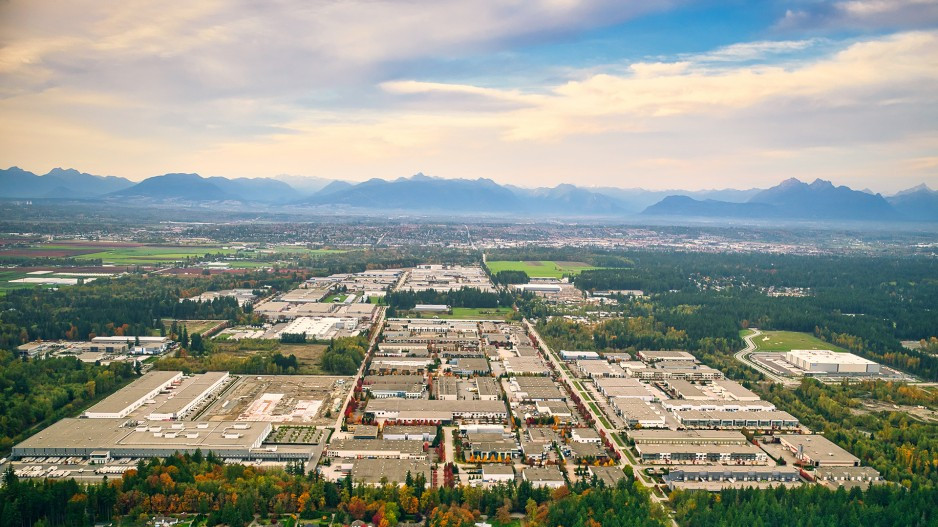
Industrial real estate tied to port operations follows a different logic than general warehouse and distribution space. For importers, exporters, freight forwarders, and trucking operators, proximity to container terminals is not a preference but a cost variable that compounds with every trip. Understanding how drayage economics interact with lease rates and building specifications helps occupiers and investors evaluate port-adjacent submarkets with greater precision.
Why Drayage Distance Matters More Than Headline Rent
Drayage refers to the short-haul trucking of containers between port terminals and nearby warehouses, transload facilities, or rail yards. The cost of each container move is a function of distance, wait times at the terminal, chassis availability, and driver hours. In Metro Vancouver, where port terminals cluster along the Burrard Inlet and the Fraser River, the distance from a warehouse to the gate can represent a substantial annual cost for high-volume shippers.
Consider a hypothetical example. Suppose an importer receiving 400 containers per year leases a facility in a submarket 45 minutes from the nearest terminal instead of one 15 minutes away. The additional round-trip time translates into higher per-container drayage charges, reduced daily turn capacity for the trucking provider, and greater exposure to detention and demurrage fees when delays cascade. Over a five-year lease term, the accumulated drayage premium can exceed the rent savings that initially made the more distant location attractive.
This dynamic explains why experienced port users often accept higher net rents in Delta or Richmond rather than pursue lower rates in Langley or Abbotsford. The total occupancy cost, including transportation, frequently favours the closer site.
Key Submarkets for Port-Dependent Occupiers
Metro Vancouver's port-related industrial demand concentrates in submarkets with direct access to the Deltaport and Centerm container terminals, the Fraser Surrey Docks, and the intermodal rail yards that connect the region to inland distribution networks.
Delta, including the Tilbury and Annacis Island areas, offers the tightest functional proximity to Deltaport. Brokerage consensus figures show Delta vacancy at 4.7% with average net asking rents around $17.91 PSF, plus additional rent typically running $6 to $7 PSF. The submarket's relatively lower rent compared to Vancouver or Richmond reflects building age and configuration in some nodes, but well-located Tilbury sites with heavy power and truck court depth command premiums above the average.
Richmond sits adjacent to the Fraser River terminals and the airport cargo facilities, making it attractive for users who combine ocean freight with air freight consolidation. Richmond vacancy stands at 3.4%, the tightest among the major suburban submarkets, with net asking rents averaging $20.26 PSF. Cold storage and food distribution users compete for the same sites as port-dependent logistics operators, which keeps availability constrained.
Vancouver proper, particularly the East Kent Avenue corridor along the Fraser, provides access to both Centerm and the rail intermodal yards. Vacancy in Vancouver is 5.4%, but the availability rate of 7.1% reflects sublease space and future commitments rather than immediate options. Net asking rents average $20.10 PSF. For users who need to service downtown retailers or consolidate shipments for transload, Vancouver remains the most direct option despite its premium.
For a deeper look at submarket characteristics, visit the submarket pages on this site.
Building Specifications for Drayage and Transload Operations
Port-related industrial users have building requirements that differ from general warehousing. Transload operations, where goods are stripped from ocean containers and repalletized for domestic trucking, demand clear heights sufficient for racking, dock doors configured for rapid container unloading, and truck courts deep enough to accommodate chassis parking and container staging.
Most transload operators prefer clear heights of 28 feet or more to maximize vertical storage. Dock door ratios matter: a facility handling high container volumes may require one dock door per 5,000 to 7,000 square feet of warehouse space, whereas a typical distribution warehouse might function with one door per 10,000 square feet. Truck court depth of 120 feet or more allows tractors to maneuver with 53-foot trailers or 40-foot containers without blocking adjacent bays.
Yard space is equally important. Drayage operators staging chassis or empty containers need paved, secured yard area that may equal or exceed the building footprint. Facilities with large yards are uncommon in infill locations, which pushes users toward Tilbury, Annacis Island, or the eastern Fraser corridor where land parcels were historically subdivided for heavy industrial use.
Power capacity and floor load ratings can also constrain site selection. Transload facilities that handle heavy commodities or operate electric forklifts at scale may require upgraded electrical service and floor slabs designed for concentrated loads.
Lease Structures and Operational Flexibility
Port-related tenants often negotiate lease provisions that differ from standard industrial terms. Yard use rights, container staging permissions, and extended operating hours are common points of negotiation. Landlords in port-adjacent submarkets are generally familiar with these requirements, but tenants should confirm that the lease explicitly permits chassis storage, hazardous materials handling if applicable, and 24-hour truck access.
The typical lease structure in Metro Vancouver is triple-net, meaning the tenant pays base rent plus a proportionate share of property taxes, insurance, and common area maintenance. Additional rent in the region runs roughly $6 to $7 PSF, though this varies by building age and landlord operating costs. For a detailed explanation of these structures, see the net lease versus gross lease guide.
Tenants with seasonal import volumes may seek short-term surge space rather than committing to a single large facility. The sublease market occasionally offers this flexibility, though sublease space availability fluctuates with broader market conditions. Users should also consider whether their operations require bonded warehouse status, which adds compliance requirements and limits the pool of suitable buildings.
Investment Considerations for Port-Adjacent Assets
Investors evaluating port-related industrial properties should weigh tenant credit quality, lease term, and the functional obsolescence risk that affects older buildings. Drayage and transload tenants tend to be operationally embedded in their locations, making them sticky occupiers when lease terms are reasonable. However, the specialized nature of the use can limit re-tenanting options if the building lacks modern clear heights or adequate truck court depth.
Sale prices for industrial property in Metro Vancouver average around $487 PSF across the region, roughly a third below the 2022 peak. Port-adjacent assets with strong tenants and modern specifications may trade at premiums to this average, while older buildings with deferred maintenance or constrained sites may trade at discounts.
Investors should also monitor infrastructure developments. Road improvements, terminal expansions, or changes to rail capacity can shift the relative attractiveness of submarkets over multi-year hold periods.
Evaluating Total Occupancy Cost
For occupiers, the decision framework should extend beyond rent per square foot to encompass total occupancy cost. This includes base rent, additional rent, drayage expense, chassis and container storage fees, labour costs influenced by commute times, and the operational risk of terminal delays.
A structured comparison of two or three candidate sites, modelling container volumes, drayage rates, and lease economics over the anticipated term, often reveals that the lowest-rent option is not the lowest-cost option. Occupiers who document these calculations also strengthen their negotiating position with landlords, demonstrating that they understand the true value of proximity.
For guidance on evaluating lease options, the industrial leasing guide provides a step-by-step framework.
Port-related industrial real estate in Metro Vancouver rewards users and investors who think in terms of supply chain efficiency rather than headline rent alone. The submarkets closest to container terminals will remain supply-constrained, and occupiers who plan early and model their total costs accurately will secure better outcomes than those who react to immediate availability.
Sources
- CBRE: Vancouver Industrial Figures, Q2 2026 (published 2026-07-28)
- Colliers: Vancouver Industrial Market Report, Q2 2026 (published 2026-07-10)
- Cushman & Wakefield: Vancouver Industrial MarketBeat, Q2 2026 (published 2026-07-02)
- Avison Young: Metro Vancouver Industrial Market Report, Q2 2026 (published 2026-07-15)
- JLL: Greater Vancouver Area Industrial Market Dynamics, Q2 2026 (published 2026-07-16)
- Lee & Associates: Vancouver, BC Industrial Market Overview, Q2 2026 (published 2026-07-15)